

























DEGREE
Software Engineer
CES Resolution
RPC-SE-09-No.086-2020
DURATION
4 Years
MODALITY
On-campus
Academic Identity
Learn about the foundations of the program
- Mission
To train academics and professionals of excellence; in the area of Software Engineering; to generate, apply and disseminate knowledge and to propose and implement alternative solutions to problems of public interest in their areas of influence.
- Vision
Leader in knowledge and technology management in the area of Software Engineering in the Higher Education System, with international recognition and a benchmark for the practice of ethical, civic and service to society values.
- Program Objectives
- General objective
1. Know and apply methodologies, tools and standards for the management, development and maintenance of the products resulting from the application of the software process; such that they meet the needs identified in the different productive sectors of the country.
2. To respond to the needs and problems of the different companies, institutions and industries in the areas of influence, through technological and scientific advances, applying management processes, development and maintenance of software applications, to support with timely, reliable and efficient information in the decision-making of the strategic levels of the organizations and to promote the change of the country's productive matrix.
3. Train the student in processes, methodologies and standards using new technologies, physical and/or virtual learning environments, participation in pre-professional internships, research projects and linkage, for the development of the professional competencies of the software engineer.
4. To incorporate innovative, proactive, entrepreneurial professionals who are sensitive to the needs of the environment in the country's industrial sectors; to develop, manage and maintain software solutions, seeking the use of good practices, ancestral knowledge and ethical values in an inclusive, participatory and gender equity framework.
Program video
Live the experience of studying Software Engineering
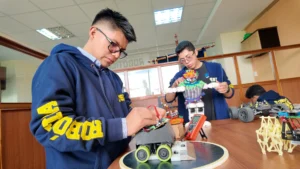
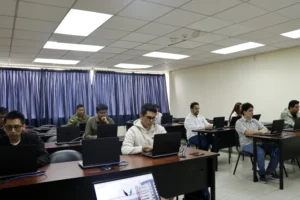
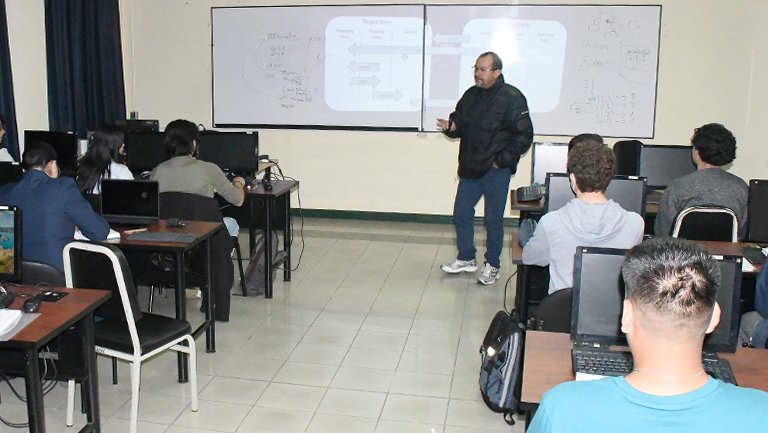
Discover daily life in our classrooms, laboratories, and academic spaces. Students, faculty, and researchers share their stories.
Learn about the foundations of the program
Profiles and outcomes
The professional we train and the competencies you will develop
- Professional Profile
Software development in the world is one of the fastest growing industries, which demands qualified labor and is aligned with the productive matrix, since its applications and services contribute substantially to the different strategic areas of the country.
In addition, the Ministry Coordinator of Knowledge and Human Talent, mentions on its website that one of the 10 careers of the future is Software Engineering, in which the development and maintenance of computer programs today is essential since we live in the computer age, and that in all areas of our lives, there is software involved.
For this reason, scenarios have been considered within which the roles and functions that the software engineer will perform have been determined, which is detailed below:
Working scenarios:
Scenarios in which a professional in the Software Career can develop
- Software Industry
- Research, innovation and development companies
- Companies with development units
- Auditing and consulting firms
- Academic Area
Roles and functions:
Systems Analyst
- Capture, document, validate and manage requirements of the system to be built.
- Model the software application, using techniques for modeling processes, data, object orientation, agile, among others.
- Implement the models using a programming paradigm.
User Interface Designer
- Design and implement system user interfaces
- Design and execute usability tests.
- Verify interface design with software requirements specification
Database Designer and Administrator
- Configure and optimize database engines.
- Manage indexes, views, and constraints
- Design and implement databases.
Test Engineer (Tester)
- Design and execute unit, integration, system, and acceptance test plans.
- Document the completeness and accuracy of all project documents.
- Design and execute static product reviews (inspections)
- Identify and apply quality assurance processes in accordance with the specifications of the software requirements.
Software Architect
- Generate the architectural design and detailed design of the system, based on the requirements.
- Generate rapid prototypes of the system to verify completeness of requirements.
- Generate the architectural design document of the software, and keep it updated during the project.
- Validate that the final product fits the design of the software architecture.
Software Project Manager
- Estimating and planning the development of a software project
- Establish the lifecycle model for the project.
- Carry out the monitoring and quality control of the project.
- Manage project irrigation
- Manage software settings
- Plan acquisitions and supplies of base software (Operating Systems, Database, CASE, among others), to develop software applications.
Software Engineering Auditor – Consultant
- Validate the intermediate and final products created by the software development process after closure.
- Advise on the acquisition, supply of base software applications and/or specific applications.
Researcher
- Generate and plan Software Engineering projects with national and international funding.
- Execute software product development projects
- Manage Software Engineering projects
- Participate in national and international research networks
- Manage the technology transfer of methods, techniques, methodologies and results of research carried out in the field of Software Engineering.
- Promote initiatives and ventures for the creation of software companies.
Given the large number of functions that the software engineering professional can perform, and their performance in the different areas of the organization, whether public or private, they must continuously integrate into multi-professional and interdisciplinary teams to ensure the logic of the software development process and integrate the software engineering strategies of their points in management. and to maintain interculturality to contribute to the sustainable development of the localities.
- Graduate Profile
The future professional in Software Engineering will use a solid training in each of the basic nuclei of the career, developing the necessary competencies to solve problems in any area of their professional field, regardless of the nature of the problem, maintaining a broad vision and notion of the needs of all those involved.
These basic nuclei articulate the knowledge of the Software Career, with the demand that is identified in the productive matrix and the policies of the National Plan for Good Living, evidencing the coherence that must exist between the university and the needs of the country.
The following structuring nuclei are identified for the Software Career: Fundamentals of Computing, Software Engineering and Management, Infrastructure, Security and Technology Management, and Research and Professional Development. The structuring nuclei presented are related to the guidelines issued by the Association for Computing Machinery – Institute of Electrical and Electronics Engineers (ACM-IEEE version 2015), which promotes, among other things, a catalog of concepts and criteria around the different disciplines, programs or careers of Computer Science that have emerged as part of the vertiginous advance of Information and Communication Technologies.
- Learning Outcomes
Knowledge and understanding
Engineering Analytics
Engineering Projects
Research and innovation
Practical application of engineering
Trial Preparation
Communication and teamwork
Continuous training
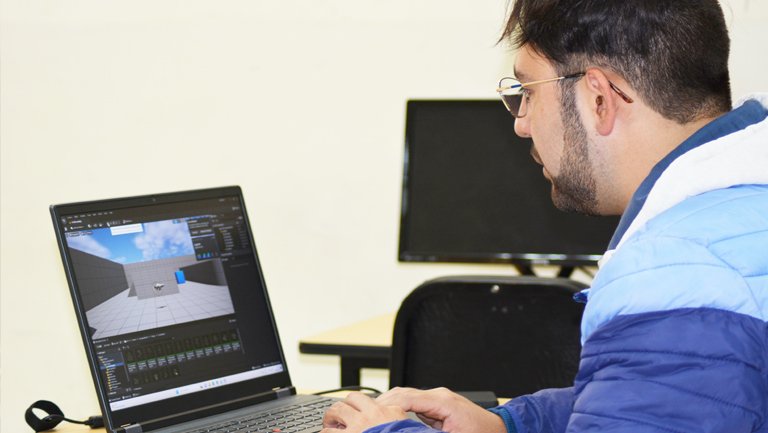
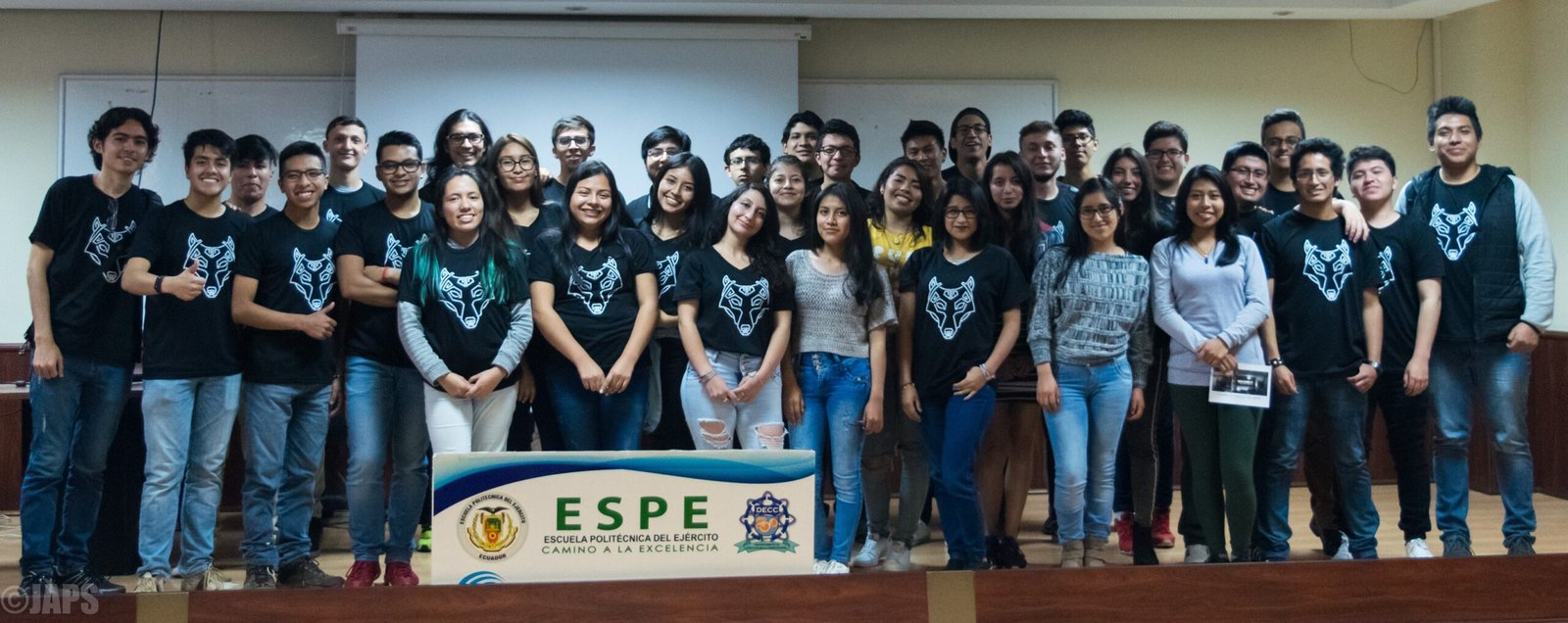
Gallery Gallery
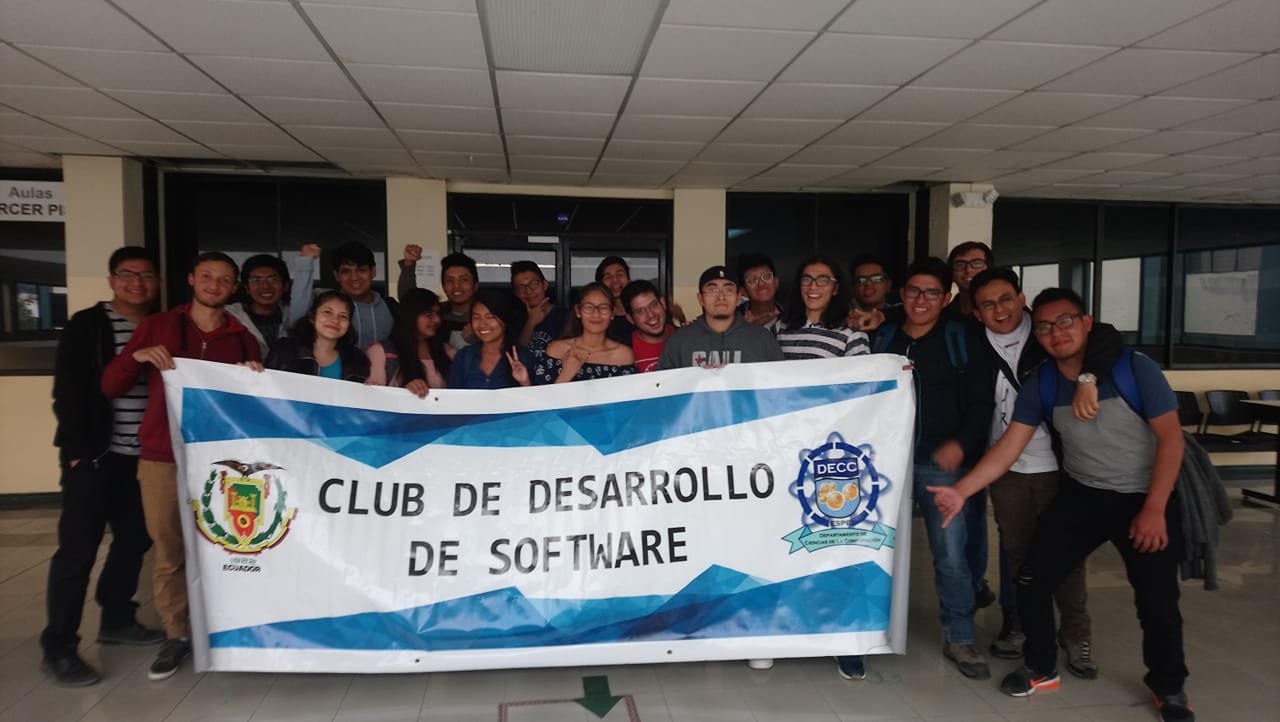
Spaces, moments, and experiences that bring the program to life

Admissions and costs
Spaces, moments, and experiences that bring the program to life

CES Resolution
RPC-SO-15-No 309-2020
Program Code
ISOF-SQ-2023
Accreditation
In process
Application Dates
March – April 2025 / August – September 2025
Program cost:
Article 356 of the Constitution of the Republic establishes, among other principles, that third-level public higher education shall be tuition-free, and that this gratuity is linked to the academic responsibility of students.
Begin your path in
Software Engineering
Join Universidad de las Fuerzas Armadas ESPE and become part of an
academic community of excellence with international reach.
DEGREE
Software Engineer
CES Resolution
RPC-SE-09-No.086-2020
DURATION
4 Years
MODALITY
On-campus
Academic Identity
Learn about the foundations of the program
- Mission
To train academics and professionals of excellence; in the area of Software Engineering; to generate, apply and disseminate knowledge and to propose and implement alternative solutions to problems of public interest in their areas of influence.
- Vision
Leader in knowledge and technology management in the area of Software Engineering in the Higher Education System, with international recognition and a benchmark for the practice of ethical, civic and service to society values.
- Program Objectives
- General objective
To train professionals in Software Engineering capable of developing computer systems through the use of methodologies, tools and standards, demonstrating creativity, efficiency, effectiveness and professional responsibility; with the purpose of optimizing processes, generating sources of employment and contributing to the improvement of the economy and competitiveness of the country’s productive sectors.
1. Know and apply methodologies, tools and standards for the management, development and maintenance of the products resulting from the application of the software process; such that they meet the needs identified in the different productive sectors of the country.
2. To respond to the needs and problems of the different companies, institutions and industries in the areas of influence, through technological and scientific advances, applying management processes, development and maintenance of software applications, to support with timely, reliable and efficient information in the decision-making of the strategic levels of the organizations and to promote the change of the country's productive matrix.
3. Train the student in processes, methodologies and standards using new technologies, physical and/or virtual learning environments, participation in pre-professional internships, research projects and linkage, for the development of the professional competencies of the software engineer.
4. To incorporate innovative, proactive, entrepreneurial professionals who are sensitive to the needs of the environment in the country's industrial sectors; to develop, manage and maintain software solutions, seeking the use of good practices, ancestral knowledge and ethical values in an inclusive, participatory and gender equity framework.
Program video
Live the experience of studying Software Engineering
Discover daily life in our classrooms, laboratories, and academic spaces. Students, faculty, and researchers share their stories.
Learn about the foundations of the program
Profiles and outcomes
The professional we train and the competencies you will develop
- Professional Profile
Software development in the world is one of the fastest growing industries, which demands qualified labor and is aligned with the productive matrix, since its applications and services contribute substantially to the different strategic areas of the country.
In addition, the Ministry Coordinator of Knowledge and Human Talent, mentions on its website that one of the 10 careers of the future is Software Engineering, in which the development and maintenance of computer programs today is essential since we live in the computer age, and that in all areas of our lives, there is software involved.
For this reason, scenarios have been considered within which the roles and functions that the software engineer will perform have been determined, which is detailed below:
Working scenarios:
Scenarios in which a professional in the Software Career can develop
- Software Industry
- Research, innovation and development companies
- Companies with development units
- Auditing and consulting firms
- Academic Area
Roles and functions:
Systems Analyst
- Capture, document, validate and manage requirements of the system to be built.
- Model the software application, using techniques for modeling processes, data, object orientation, agile, among others.
- Implement the models using a programming paradigm.
User Interface Designer
- Design and implement system user interfaces
- Design and execute usability tests.
- Verify interface design with software requirements specification
Database Designer and Administrator
- Configure and optimize database engines.
- Manage indexes, views, and constraints
- Design and implement databases.
Test Engineer (Tester)
- Design and execute unit, integration, system, and acceptance test plans.
- Document the completeness and accuracy of all project documents.
- Design and execute static product reviews (inspections)
- Identify and apply quality assurance processes in accordance with the specifications of the software requirements.
Software Architect
- Generate the architectural design and detailed design of the system, based on the requirements.
- Generate rapid prototypes of the system to verify completeness of requirements.
- Generate the architectural design document of the software, and keep it updated during the project.
- Validate that the final product fits the design of the software architecture.
Software Project Manager
- Estimating and planning the development of a software project
- Establish the lifecycle model for the project.
- Carry out the monitoring and quality control of the project.
- Manage project irrigation
- Manage software settings
- Plan acquisitions and supplies of base software (Operating Systems, Database, CASE, among others), to develop software applications.
Software Engineering Auditor – Consultant
- Validate the intermediate and final products created by the software development process after closure.
- Advise on the acquisition, supply of base software applications and/or specific applications.
Researcher
- Generate and plan Software Engineering projects with national and international funding.
- Execute software product development projects
- Manage Software Engineering projects
- Participate in national and international research networks
- Manage the technology transfer of methods, techniques, methodologies and results of research carried out in the field of Software Engineering.
- Promote initiatives and ventures for the creation of software companies.
Given the large number of functions that the software engineering professional can perform, and their performance in the different areas of the organization, whether public or private, they must continuously integrate into multi-professional and interdisciplinary teams to ensure the logic of the software development process and integrate the software engineering strategies of their points in management. and to maintain interculturality to contribute to the sustainable development of the localities.
- Graduate Profile
The future professional in Software Engineering will use a solid training in each of the basic nuclei of the career, developing the necessary competencies to solve problems in any area of their professional field, regardless of the nature of the problem, maintaining a broad vision and notion of the needs of all those involved.
These basic nuclei articulate the knowledge of the Software Career, with the demand that is identified in the productive matrix and the policies of the National Plan for Good Living, evidencing the coherence that must exist between the university and the needs of the country.
The following structuring nuclei are identified for the Software Career: Fundamentals of Computing, Software Engineering and Management, Infrastructure, Security and Technology Management, and Research and Professional Development. The structuring nuclei presented are related to the guidelines issued by the Association for Computing Machinery – Institute of Electrical and Electronics Engineers (ACM-IEEE version 2015), which promotes, among other things, a catalog of concepts and criteria around the different disciplines, programs or careers of Computer Science that have emerged as part of the vertiginous advance of Information and Communication Technologies.
- Learning Outcomes
1. Knowledge and Understanding:
RA1.1. Knowledge and understanding of mathematics and other basic sciences inherent to their engineering speciality at a level that allows them to acquire the rest of the skills of the degree.
RA1.2. Knowledge and understanding of the engineering disciplines of their speciality at the level necessary to acquire the rest of the skills of the degree, including notions of the latest advances.
RA1.3. Be aware of the multidisciplinary context of engineering.
2. Engineering Analysis:
RA2.1. The ability to analyze complex products, processes, and systems in their field of study; to choose and apply established analytical, calculation and experimental methods appropriately and to correctly interpret the results of such analyses.
RA2.2. The ability to identify, formulate, and solve engineering problems in their specialty; to choose and appropriately apply established analytical, computational and experimental methods; Recognize the importance of social, health and safety, environmental, economic, and industrial constraints.
3. Engineering Projects:
RA3.1. Ability to design, design and develop complex products (parts, components, finished products, etc.), processes and systems of their specialty, which meet the established requirements, including being aware of social, health and safety, environmental, economic and industrial aspects; as well as selecting and applying appropriate project methods.
RA3.2. Project capacity using some cutting-edge knowledge of their speciality of their engineering.
4. Research and Innovation:
RA4.1. Ability to carry out bibliographic searches, consult and use databases and other sources of information judiciously, to carry out simulation and analysis with the aim of conducting research on technical topics in their specialty.
RA4.2. Ability to consult and apply codes of good practice and safety in their specialty.
RA4.3. Ability and ability to plan and carry out experimental research, interpret results and reach conclusions in their field of study.
5. Practical Application of Engineering:
RA5.1. Understanding of the applicable techniques and methods of analysis, project and research and carry out.
RA5.2. Practical competence to solve complex problems, carry out complex engineering projects and carry out research in their specialty.
RA5.3. Knowledge of the application of materials, equipment and tools, technology and engineering processes and their limitations in the field of their specialty.
RA5.4. Ability to apply standards of engineering practice in their specialty.
RA5.5. Knowledge of the social, health and safety, environmental, economic and industrial implications of engineering practice.
RA5.6. General ideas on economic, organisational and management issues (such as project management, risk and change management) in the industrial and business context.
6. Preparation of judgments:
RA6.1. Ability to collect and interpret data and handle complex concepts, within their specialty, to make judgments that involve reflection on ethical and social issues.
RA6.2. Ability to manage complex technical or professional activities or projects in their specialty, taking responsibility for decision-making.
7. Communication and teamwork:
RA7.1. Ability to effectively communicate information, ideas, problems and solutions in the field of engineering and with society in general.
RA7.2. Ability to function effectively in national and international contexts, individually and in teams, and to cooperate with both engineers and people from other disciplines.
8. Continuous training:
RA8.1. Ability to recognise the need for one's own continuous training and to undertake this activity throughout their professional life independently.
RA8.2. Ability to keep up to date with developments in science and technology.
Curriculum Structure
Academic structure of the program
Current Curriculum
Non-Current Curriculum
Gallery Gallery
Spaces, moments, and experiences that bring the program to life
Admissions and costs
Spaces, moments, and experiences that bring the program to life
CES Resolution
RPC-SO-15-No 309-2020
Program Code
ISOF-SQ-2023
Accreditation
In process
Application Dates
March – April 2025 / August – September 2025
Program cost:
Article 356 of the Constitution of the Republic establishes, among other principles, that third-level public higher education shall be tuition-free, and that this gratuity is linked to the academic responsibility of students.
Begin your path in
Software Engineering
Join Universidad de las Fuerzas Armadas ESPE and become part of an
academic community of excellence with international reach.