










DEGREE
Medicine
DEGREE
General Practitioner
CES Resolution
388-CEAACES-SO-11-2016
DURATION
6 years
MODALITY
On-campus
Academic Identity
Learn about the foundations of the program
- Mission
To train health professionals with a comprehensive approach, quality and leadership, who contribute to military and civilian health through teaching, research and links with society.
- Vision
To be a center of excellence recognized nationally and internationally for the formation of a high-level health team, generator of knowledge and with the capacity for innovation in health.
- Program Objectives
- General objective
To train general medical professionals with a military focus in aeronautical and maritime medicine, and in trauma and disaster management, for the National Health System. The training process, led by doctors specializing in military health, which makes this career innovative, will cover the transdisciplinary nature of learning basic sciences, clinical-surgical, research and community linkage, in an innovative model of learning by systems, as a new trend in training, for integral learning outcomes, that allow them to respond to the requirements within the framework of the professional profile that the health authority dictates and for their own personal training. They will seek to develop their professional performance according to the health career and with the comprehensive search for knowledge based on research, scientific advances, evidence-based medicine, morality and bioethics of health work and professional practice in the context of the national, regional and global epidemiological profile and, in addition, to become leaders and builders of strategies for the National Health System and for the National Health System of Military Health. The training of these professionals will contribute to the Comprehensive Public Health Network, in its establishments by levels of care of the National Health System and the Military Health System, as well as at the international level through strategic alliances of the Military Health of the Armed Forces and cooperation with institutions, whose vision and mission will focus on achieving the goals and objectives of the National Development Plans and the Objectives of the Armed Forces. Sustainable Development.
1. To knowledge and knowledge
Integrate into the academic scenario of the training of general practitioners with a military approach, competencies to plan, organize, systematize, execute, monitor and evaluate health actions, applying the knowledge of the basic sciences with a proactive attitude towards research, according to scientific knowledge.
2. Relevance
To train students of the general medicine career who are respectful of environmental factors, climate change, cultural, social, the worldview of the multiethnic and multicultural country, economic, the social determinants of health inequities and disease in its entirety, recognizing the deficiencies and contributing to their resolution, through strategies for the implementation of public policies and research-operational projects and interventions in their entirety. training period.
To stimulate in the student, the development of projects of linkage with the community with a focus on strengthening participation and social mobilization, in response to the epidemiological profile and according to the prevalent health and sanitary problems.
To develop in the student the basic competencies of administrative management, derived from the public policy defined by the national health authority, to contribute to the improvement of health conditions in Ecuador.
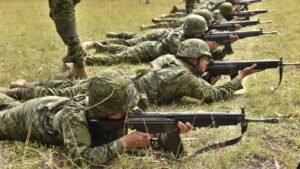
To develop in students aeronautical, maritime and trauma and disaster management health skills to empower them in their face to the challenges of global medicine and to serve the country within the Armed Forces as military health professionals on active duty or in the active reserve.
3. To the learning
To promote in the student the development of scientific-academic learning outcomes through the methodology of Competency-Based Learning by systems, Evidence-Based Medicine (EBM), and Life Cycles, in accordance with the current National Development Plan, with a constructivist and humanistic epistemological approach and with a military health perspective with emphasis on aeronautical medicine. maritime medicine and trauma and disaster management.
Develop cognitive, attitudinal and aptitude competencies in respect of bioethics and patient safety, for the implementation of strategies for health promotion, disease prevention, early and comprehensive detection of symptoms and signs of the prevalent pathology derived from the clinical and psychological epidemiological profile, with a systemic approach, contributing to the realization of early diagnoses and, providing scientific knowledge for immediate treatment; as well as to contribute in a timely manner in the interconsultations between services and application of the referral system, counter-referral and reverse referral of patients, according to the levels of health care of the National Health System.
Integrate the care-teaching and theoretical-practical training scenarios in the curricular organization units and training fields, in classrooms and laboratories of the Department of Medical Sciences of the University of the Armed Forces - ESPE and in the health establishments of the National Health System and the Military Health System. This integration is defined in the Technical Standard for Teaching Assistance Units (UADS) for the performance of pre-professional internships and rotating internships in these establishments. The educational process of the University of the Armed Forces (ESPE) will allow students to solve the most frequent health problems in the scenarios of care training, individually, family and community, as stated in the Model of Comprehensive Health, Family, Community and Intercultural Care (MAIS-FCI).
4. To interculturality
Encourage students of the general medicine career to participate in community structures beyond the focus of medical training, in the achievement of societies of rights and contributors to build a better society, with a military, gender, intercultural and respect for the worldview and traditions in protection of the fundamental rights anchored in the current National Development Plan. To link students according to the conceptualization of community, society and citizenship, through pre-professional internships in externships in health and military health establishments, community practices (community epidemiology), planning and implementation of research and outreach projects.
Program video
Live the experience of studying Medicine
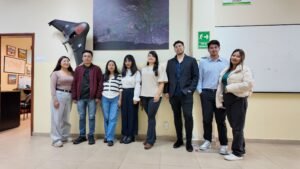
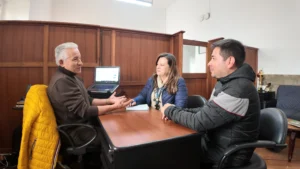
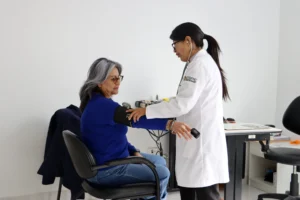
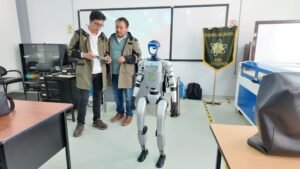
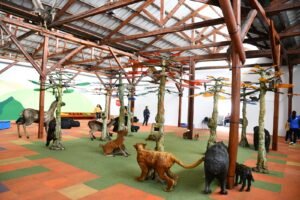
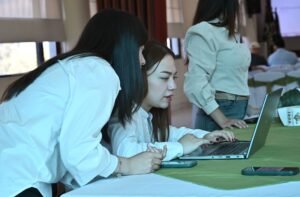
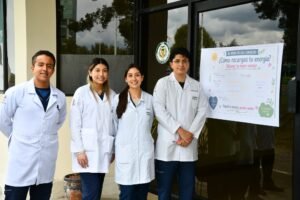
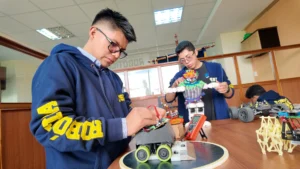
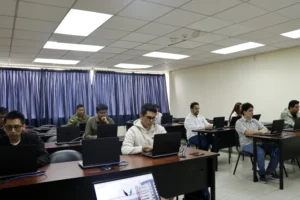
Discover daily life in our classrooms, laboratories, and academic spaces. Students, faculty, and researchers share their stories.
Learn about the foundations of the program
Profiles and outcomes
The professional we train and the competencies you will develop
- Professional Profile
The General Practitioner graduated from the Medical Career of the Department of Health Sciences of the University of the Armed Forces-ESPE, a member of the National Health System, will be a doctor capable of providing comprehensive primary health care based on the epidemiological profile of the sector and the guidelines of the Comprehensive Health Care Model that develops its task of promotion. care and research, within an ethical framework with a broad spirit of service, with the capacity for self-criticism and continuous updating of their knowledge, in addition to understanding and applying the health policies implemented in the National Health System.
- Graduate Profile
The Medical Career is aimed at training general medical professionals with a military focus in aeronautical and maritime medicine and in trauma and disaster management for the National Health System. The training process, led by doctors specializing in military health, which makes this career innovative, will cover the transdisciplinary nature of learning basic sciences, clinical-surgical, research and community linkage, in an innovative model of learning by systems, as a new trend in training by integral learning outcomes. that allow them to respond to the requirements within the framework of the professional profile that the health authority dictates and for their own personal training . It will seek to develop their professional performance according to the health career through the comprehensive search for knowledge based on research, scientific advances, evidence-based medicine, morality and bioethics, typical of health work and professional practice in the context of the national, regional and global epidemiological profile; and, who also become leaders and builders of strategies for the National Health System and for the Military Health System.
The training of these professionals will contribute to the Comprehensive Public Health Network, in its establishments by levels of care of the National Health System and the Military Health System, as well as at the international level through strategic alliances of the Military Health of the Armed Forces and cooperation with institutions, whose vision and mission will focus on achieving the goals and objectives of the National Development Plans and the Objectives of the Armed Forces. Sustainable Development.
- Learning Outcomes
1. Educational processes ensure the development of the professional's capacity to make the diagnosis of the individual patient according to the anamnesis, physical examination, comprehensive clinical evaluation, synchronous grouping, analysis of diagnostic hypotheses within the framework of PBL and competency-based learning, integrated according to evidence-based medicine. They will be able to make the logical request for studies for the weighting of results and interpretation of complementary diagnostic support tests.
2. The proposed educational model provides capacities for the construction of comprehensive and individual management plans for the management of patients, with the use of principles and tools of Evidence-Based Medicine (EBM), from the prescription of health promotion measures, disease prevention, curative actions and rehabilitation, to the rapid integration of users and patients into the community.
3. The individual exercise of clinical logic, derived from statistical processes of diagnostic approach, ensures the use of confirmatory and exclusionary knowledge in diagnostic deduction until decision-making in clinical and surgical practice.
4. The educational processes will guarantee that the professional correctly implements the protocols, algorithms and Clinical Practice Guidelines for the performance of clinical and surgical diagnostic procedures, as well as recommendations for health promotion and disease prevention, by levels of care within the framework of their competencies.
5. The application of operational research throughout the career will guarantee the effective modeling of the investigative spirit of the health professional.
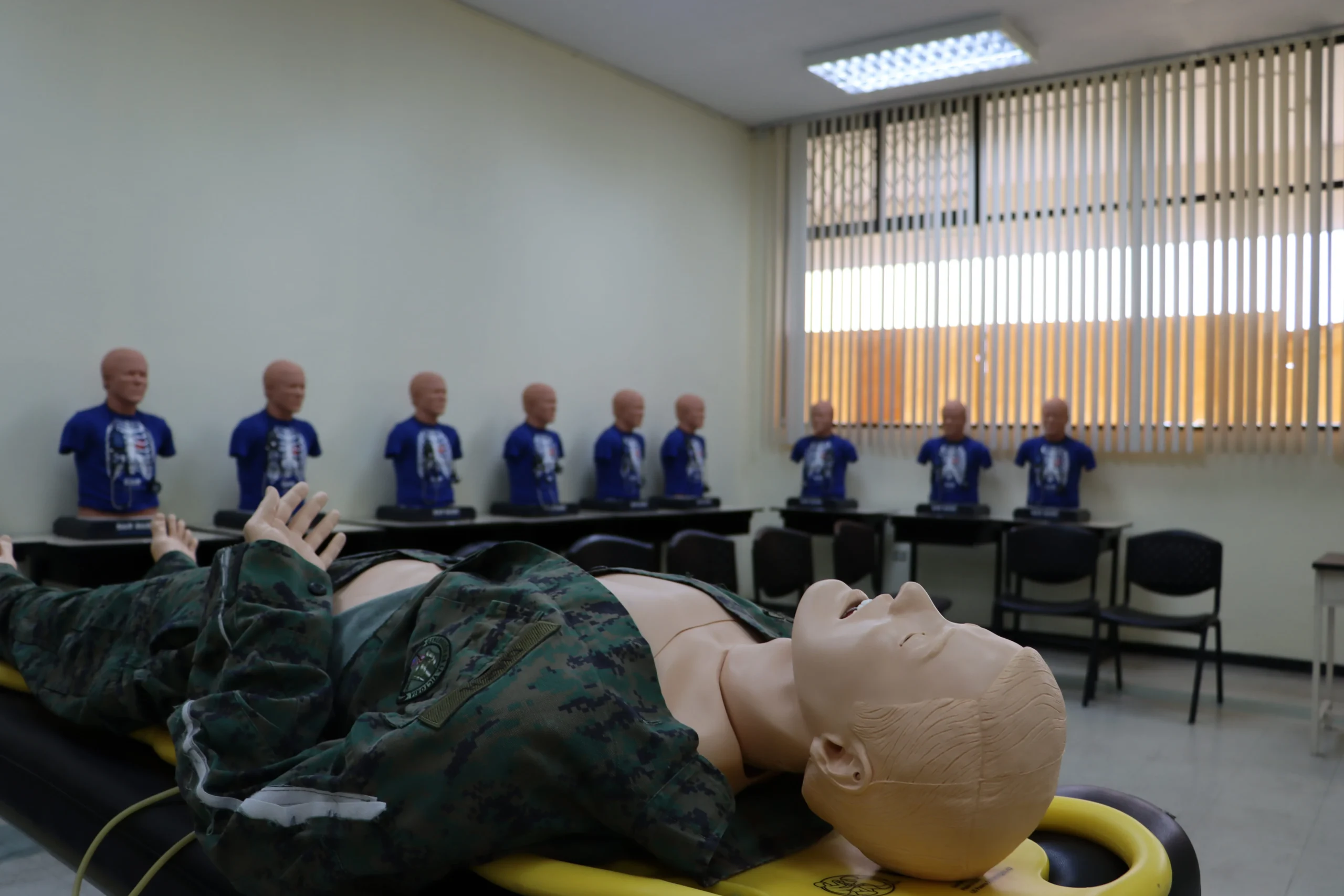
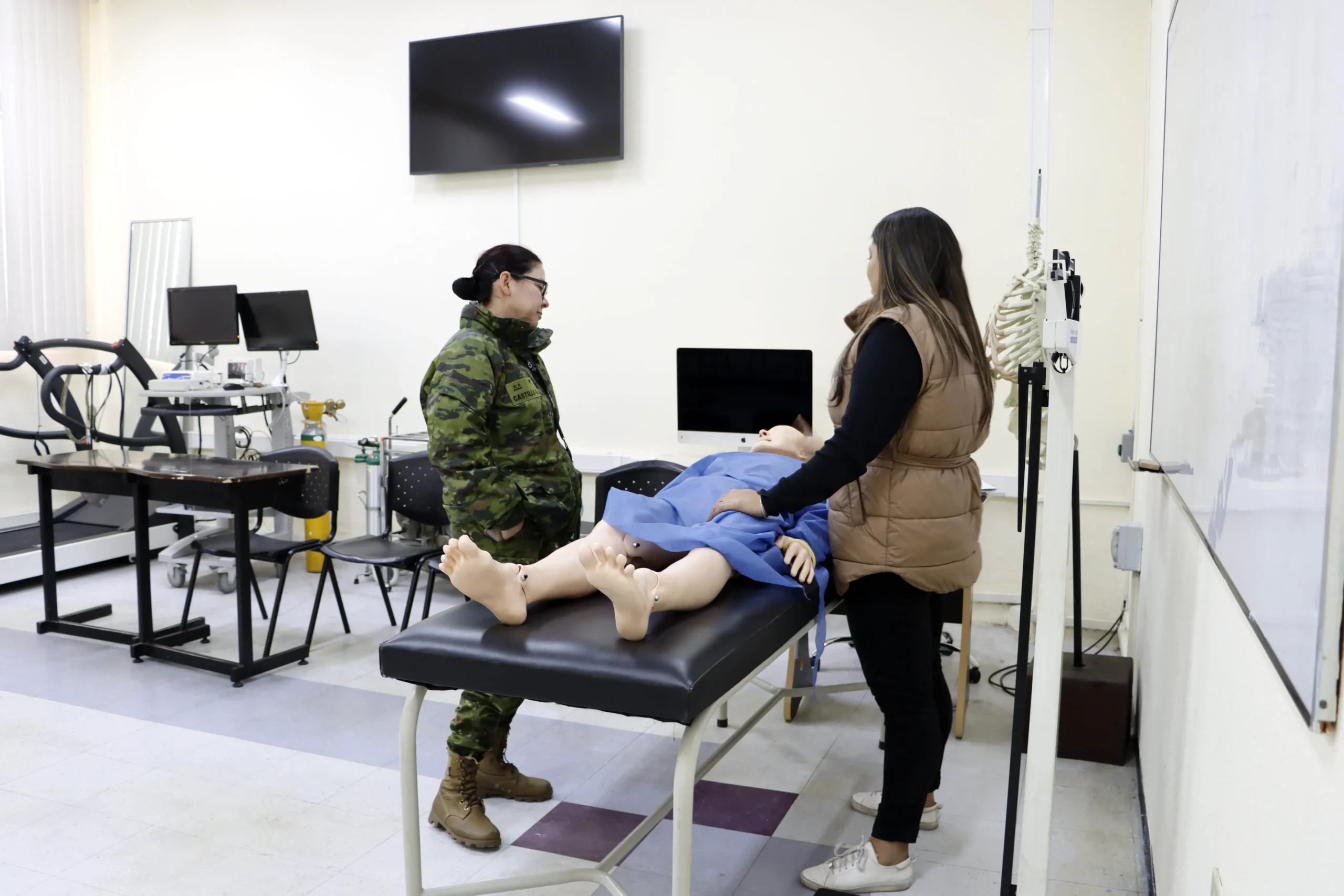
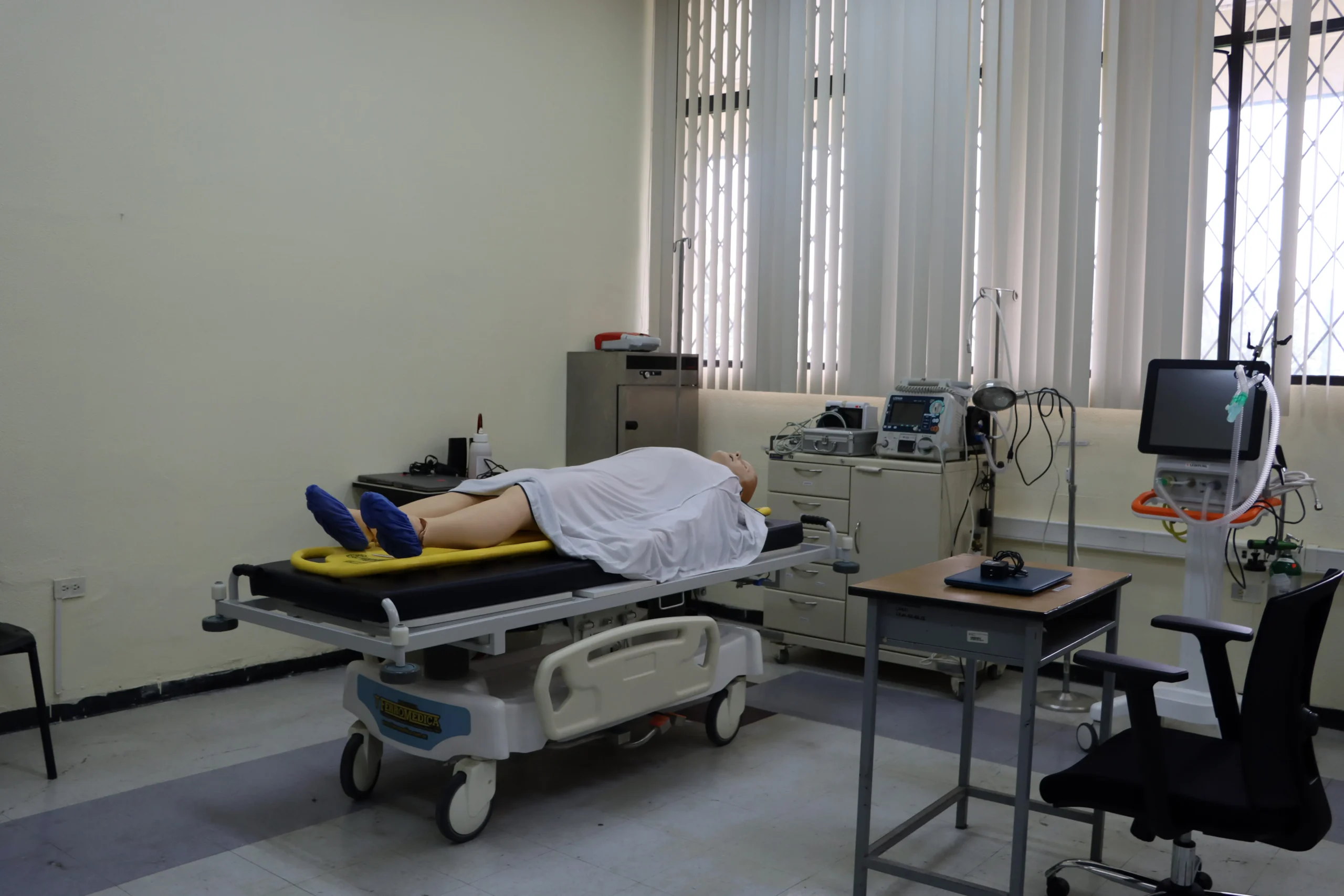
6. Healthcare logistics learning in the areas of military health knowledge: aerospace, maritime and trauma and disaster medicine, is guaranteed by high-fidelity simulation scenarios.
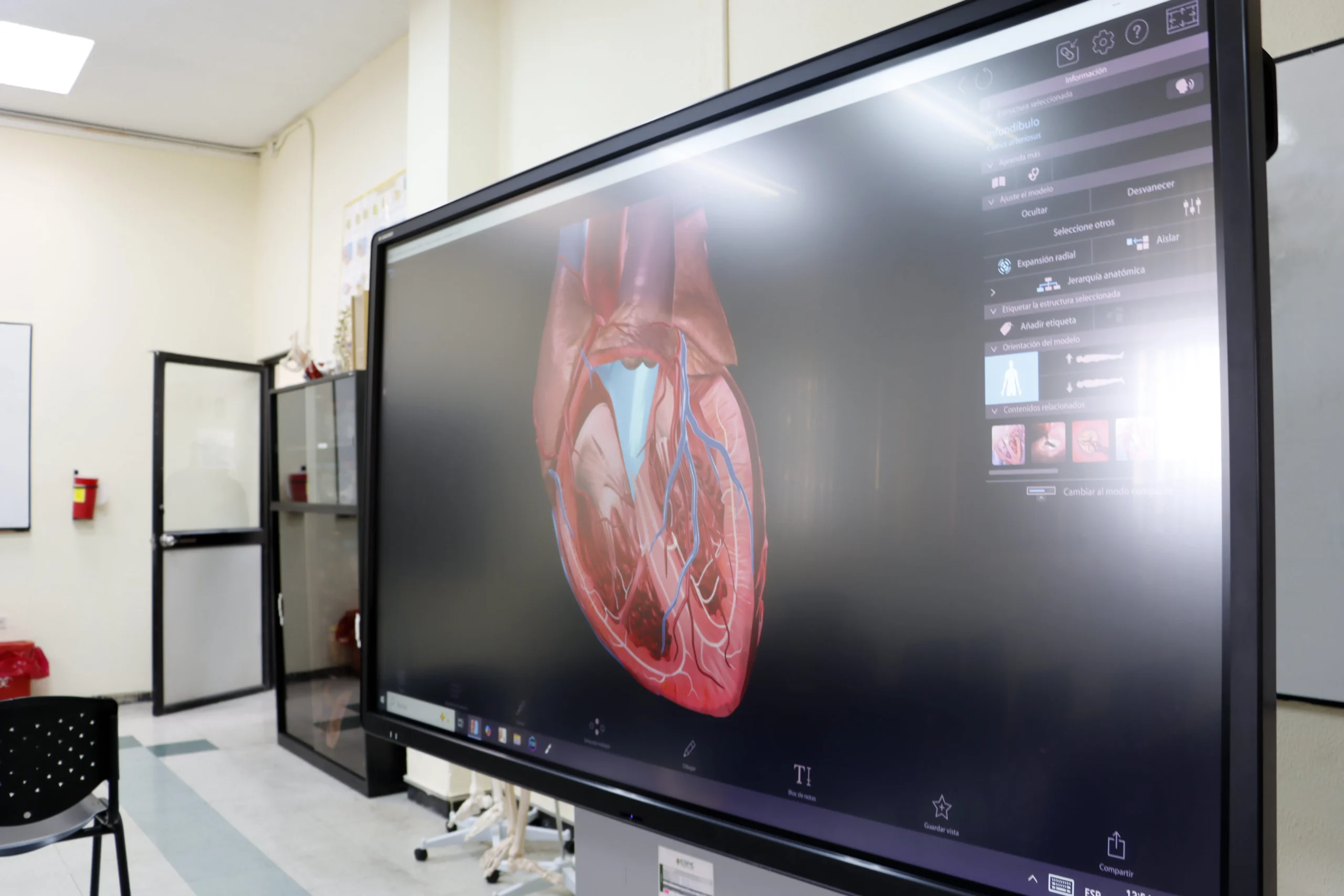
Gallery Gallery
Spaces, moments, and experiences that bring the program to life
Admissions and costs
Spaces, moments, and experiences that bring the program to life
CES Resolution
RPC-SO-15-No 309-2020
Program Code
ISOF-SQ-2023
Accreditation
In process
Application Dates
March – April 2025 / August – September 2025
Program cost:
Article 356 of the Constitution of the Republic establishes, among other principles, that third-level public higher education shall be tuition-free, and that this gratuity is linked to the academic responsibility of students.
Begin your path in
Medicine
Join Universidad de las Fuerzas Armadas ESPE and become part of an
academic community of excellence with international reach.