















DEGREE
International Relations
DEGREE
Bachelor’s Degree in International Relations
CES Resolution
RPC-SO-07-No.116-2022
DURATION
4 Years
MODALITY
On-campus
Academic Identity
Learn about the foundations of the program
- Mission
To train outstanding professionals and researchers in International Relations—creative, humanistic, with leadership skills, critical thinking, and a strong sense of civic responsibility—committed to contributing to national development and addressing the needs of society and the Armed Forces.
- Vision
To be an International Relations program recognized at the national and regional levels for excellence in academic training, knowledge production, and its contribution to the analysis and management of global affairs, strategically supporting the strengthening of security and defense, in alignment with the ethical, civic, and community service values that guide the Armed Forces University ESPE.
- Program Objectives
- General objective
To train graduates in International Relations with integrity, critical thinking, analytical breadth, and academic rigor, committed to the primacy of the State’s interests. To prepare professionals capable of analyzing the international context by identifying actors and processes—particularly those related to security—and of designing strategies and plans at the political-strategic level. All of this is grounded in the integration of basic and advanced theoretical and practical knowledge of the discipline, aimed at achieving national objectives.
a. Knowledge:
To organize learning environments based on the epistemological foundations and fundamental principles of International Relations, as well as the fields of security, conflict, and cooperation among States, applying the postulates of political science, economics, history, and law. This is achieved through processes that enable students to demonstrate integrity, critical thinking, breadth of perspective, and academic rigor, prioritizing the interests of the State over individual interests.
b. Relevance:
To integrate the dynamics of theory and practice through the design of research and projects involving advanced analytical assessment of strategic and security components, aiming to identify conflict-related processes associated with decision-making in strategic and international security sectors, in order to contribute to the transformation of the country’s cognitive and social framework.
c. Learning:
To manage learning environments that enable students to bridge theory and practice, designing analytical scenarios that integrate commercial, political, and cultural ties—and their consequences at the national and international levels—from a strategic and geopolitical perspective.
d. Interculturality:
To integrate the International Relations program with the community and societal stakeholders, addressing social, cultural, ecological, ancestral, and gender diversity through the practical application of development theories, as an ethical commitment.
Program video
Experience what it’s like to study International Relations
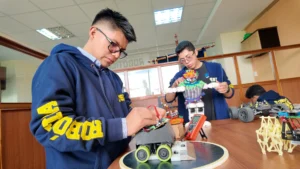
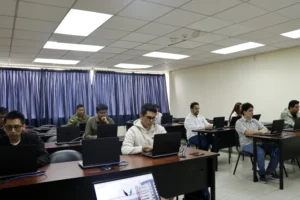
Discover daily life in our classrooms, laboratories, and academic spaces. Students, faculty, and researchers share their stories.
Learn about the foundations of the program
Profiles and outcomes
The professional we train and the competencies you will develop
- Professional Profile
The Bachelor’s graduate in International Relations from the Armed Forces University ESPE is a well-rounded professional with a solid academic background, critical thinking, and a strategic vision, oriented toward understanding and managing international phenomena. They possess the ability to analyze the global environment by identifying actors, dynamics, and political, economic, and security groups, with an emphasis on those that impact national defense and the interests of the State.
Has the competencies to design, implement, and evaluate strategies and policies in the political-strategic field, as well as to provide advisory support in decision-making within public institutions, international organizations, and entities related to security and defense. Their education integrates theoretical and practical knowledge of International Relations, along with advanced analytical and methodological tools.
They are characterized by leadership, professional ethics, civic commitment, and a vocation for service, contributing to national development, the country’s international projection, and the preservation of security and State sovereignty.
- Graduate Profile
Describes and analyzes reality based on the fundamental principles of International Relations, linking fields such as security, conflict, and cooperation among States, as well as the principles of political science, economics, and law; demonstrating integrity, critical thinking, breadth of perspective, and academic rigor, prioritizing national interests over individual ones.
Designs analytical scenarios that incorporate aspects related to trade relations and their consequences at both national and international levels, from a strategic and geopolitical perspective; demonstrating integrity, critical thinking, breadth of perspective, and academic rigor, prioritizing national interests over individual ones.
Designs research and projects involving advanced analytical assessment of strategic and security components, through the identification of conflict-related processes associated with decision-making in strategic and international security sectors; demonstrating integrity, critical thinking, breadth of perspective, and academic rigor, prioritizing national interests over individual ones.
- Learning Outcomes
Recognizes the fundamental principles of International Relations through the comparison of theoretical models and the development of basic analyses of actors and general processes from an exploratory approach, using the State and International Organizations as units of analysis.
Describes, through a deductive approach, the basic processes and actors of the international system using theoretical and conceptual frameworks from International Relations, political science, and administration, based on inference and the outcomes of community engagement.
Provides a general characterization of conflict-related processes in the international system by linking security, law, and development, using a deductive approach derived from the core principles of the discipline’s main subfields.
Designs a basic analytical model that enables the interpretation and evaluation of decisions and strategies in the fields of foreign policy and international political economy.
Designs an intermediate model for analysis and projection to improve specific aspects within Ecuador’s foreign policy decision-making process, through project management and evaluation under a methodological framework.
Designs an analytically valuable scenario that links aspects related to trade relations and their consequences for Ecuador’s interests, from a strategic and geopolitical perspective.
Designs an action plan based on advanced theoretical concepts and perspectives in geopolitics, security, and defense, aimed at optimizing decision-making in the political-strategic sector.
Designs an action plan based on advanced theoretical concepts and perspectives in peace and conflict studies, regionalism, and negotiation, aimed at optimizing decision-making in the political-strategic sector.
Designs, implements, and evaluates strategic plans associated with the conflict dynamics of Ecuador’s regional and neighboring environment, aimed at structurally improving analysis and decision-making processes in the political-strategic sphere.
Designs, implements, and evaluates strategic plans related to conflict processes in South America and emerging threats, aimed at structurally improving analysis and decision-making processes in the political-strategic sphere.
Gallery Gallery
Spaces, moments, and experiences that bring the program to life
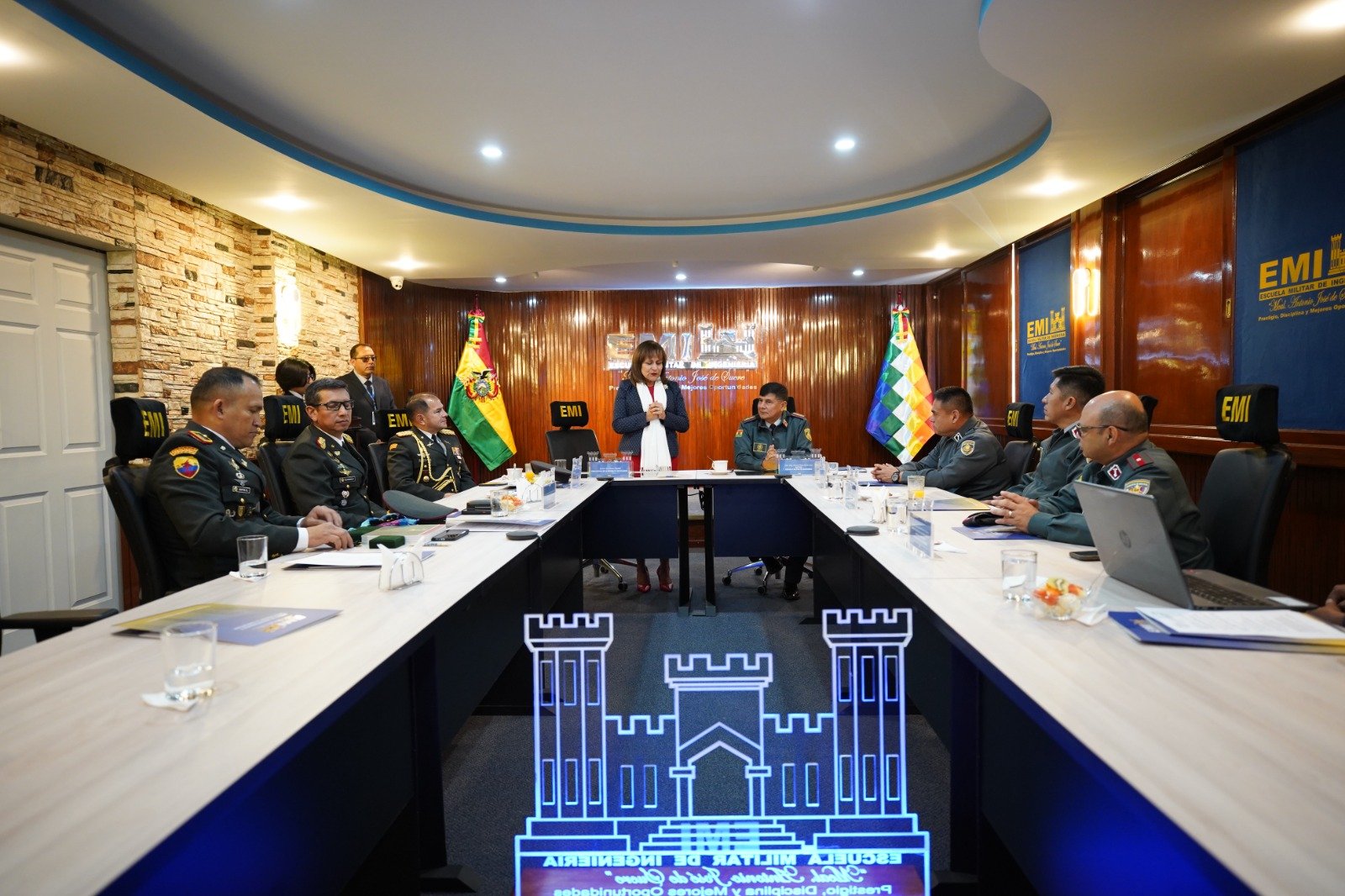
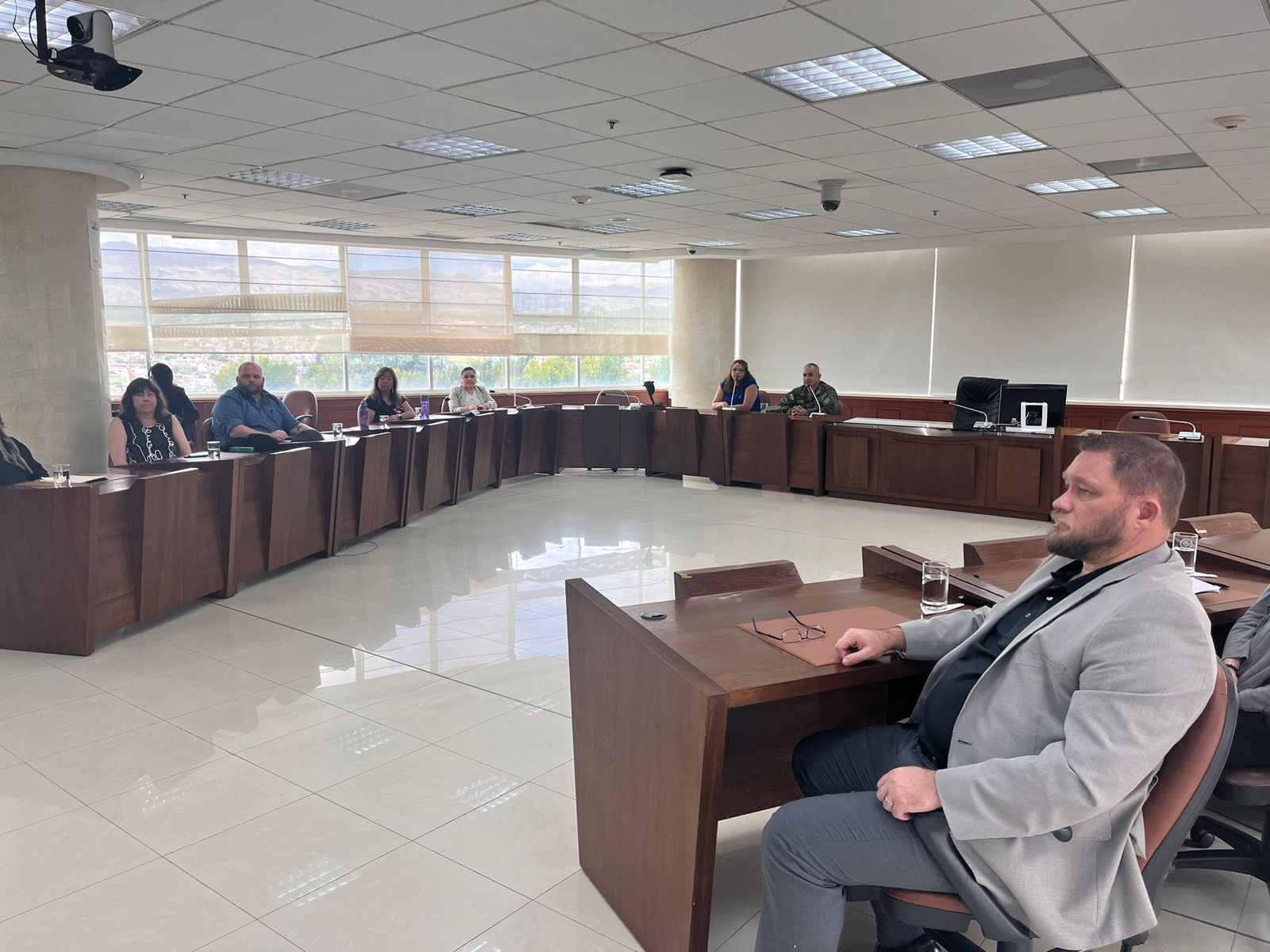
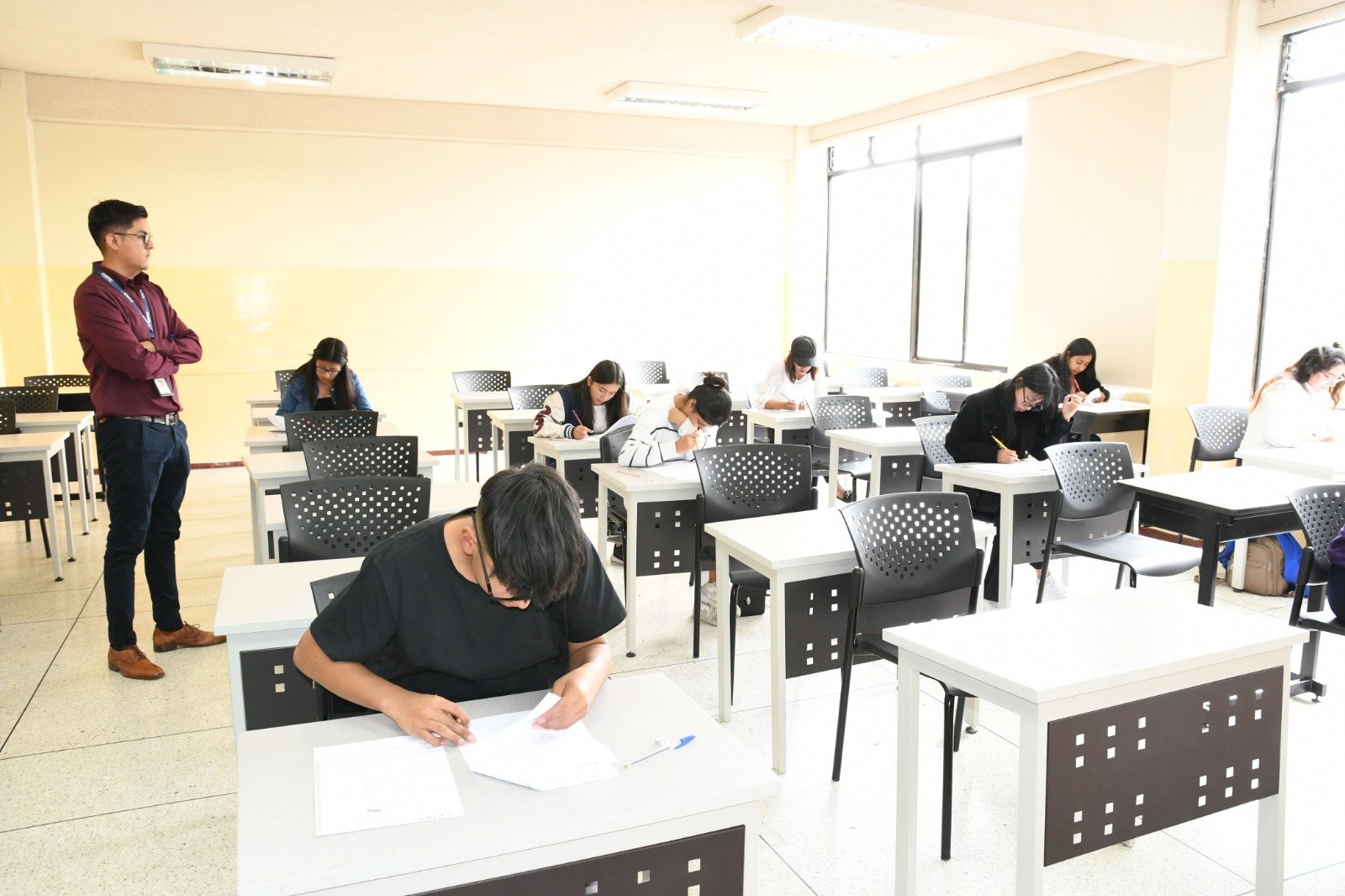
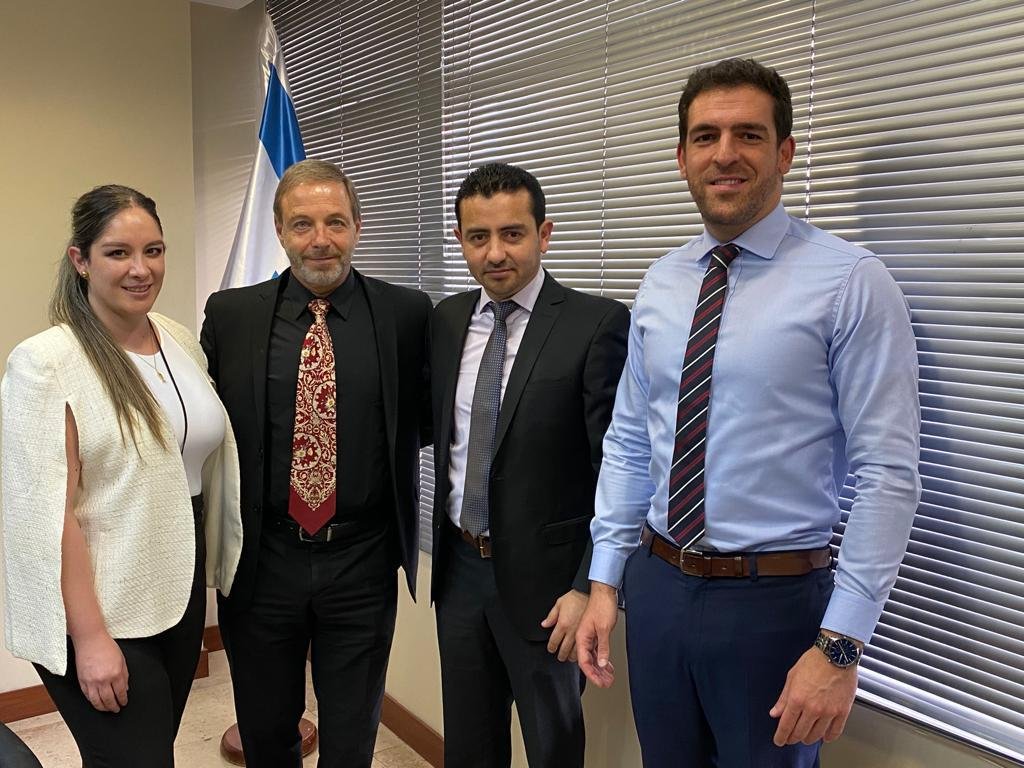
Admissions and costs
Spaces, moments, and experiences that bring the program to life
CES Resolution
RPC-SO-15-No 309-2020
Program Code
ISOF-SQ-2023
Accreditation
In process
Application Dates
March – April 2025 / August – September 2025
Program cost:
Article 356 of the Constitution of the Republic establishes, among other principles, that third-level public higher education shall be tuition-free, and that this gratuity is linked to the academic responsibility of students.
Begin your path in
International Relations
Join Universidad de las Fuerzas Armadas ESPE and become part of an
academic community of excellence with international reach.