
















DEGREE
Economy
DEGREE
Economist
CES Resolution
RPC-SO-35-No.596-2023
DURATION
4 Years
MODALITY
Online
Academic Identity
Learn about the foundations of the program
- Mission
To provide society with economic professionals trained through the use of modern educational tools, committed to the social and productive development of the country and capable of finding scientific solutions to current economic problems.
- Vision
By 2030, to be the leading Online Economics degree in Ecuador, a benchmark for managing knowledge and technology, training ethical and competent economists, with national and international prestige and commitment to service to society.
- Program Objectives
- General objective
The professionals of the Economics career of the University of the Armed Forces -ESPE are trained in excellence and ethics, who have been prepared in the knowledge and theoretical skills to analyze, explain, investigate and synthesize current socioeconomic problems, through the construction of socioeconomic models and applying mathematical, statistical, methodological and computer instruments. in order to understand society and the interaction of its actors.
Program video
Live the experience of studying Economics
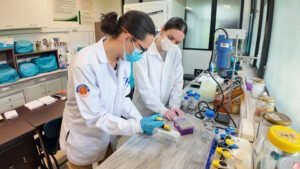
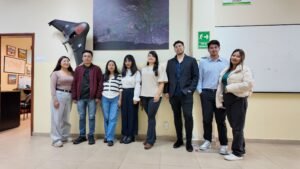
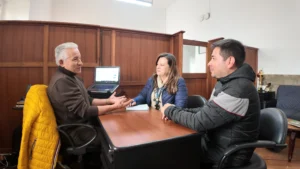
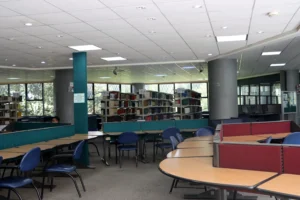
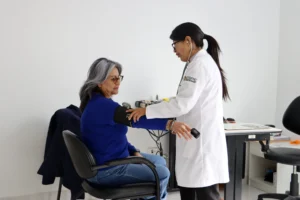
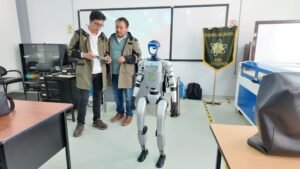
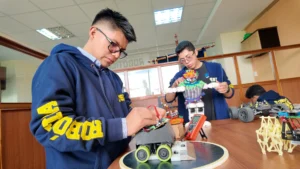
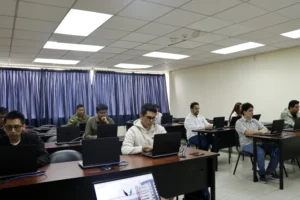
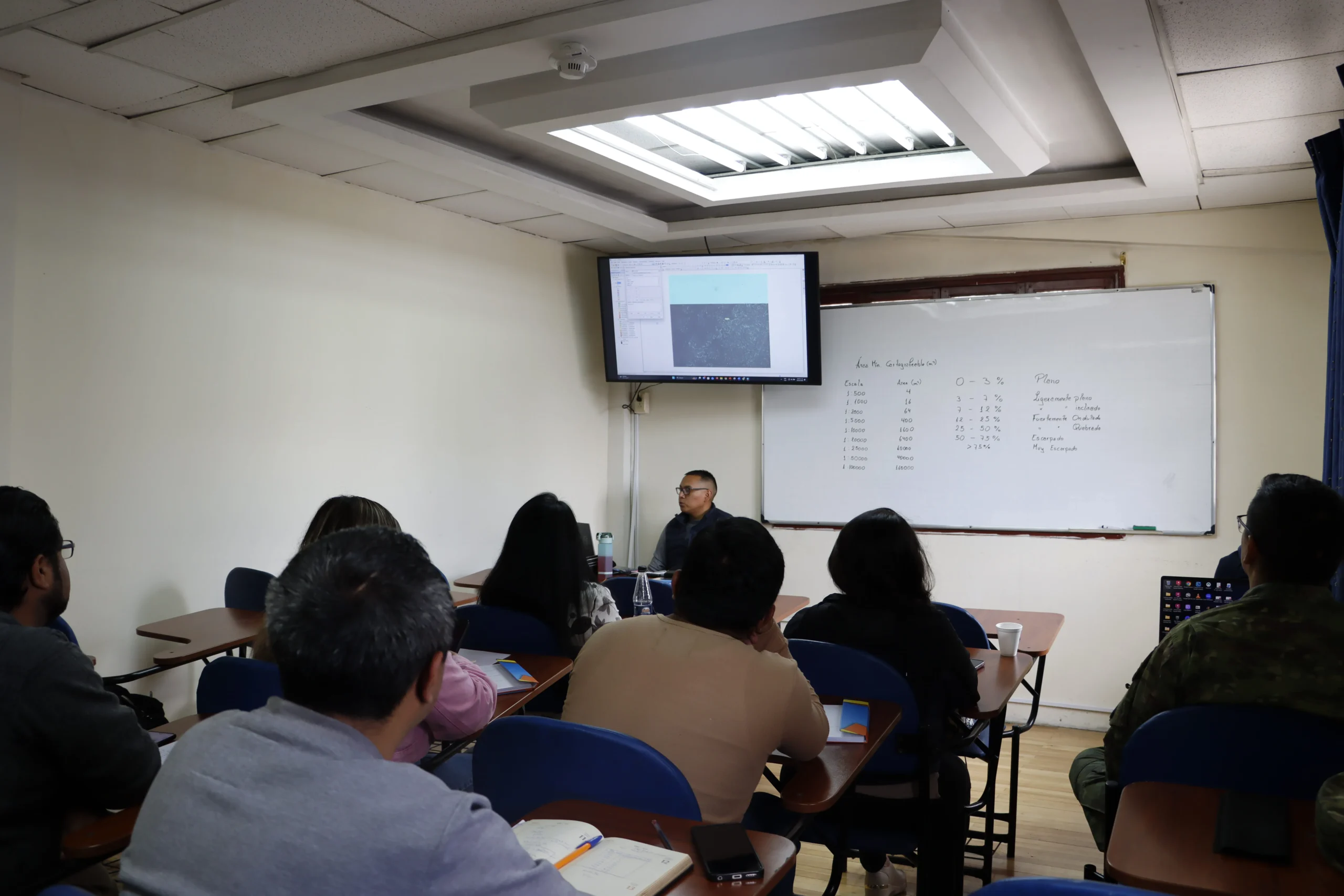
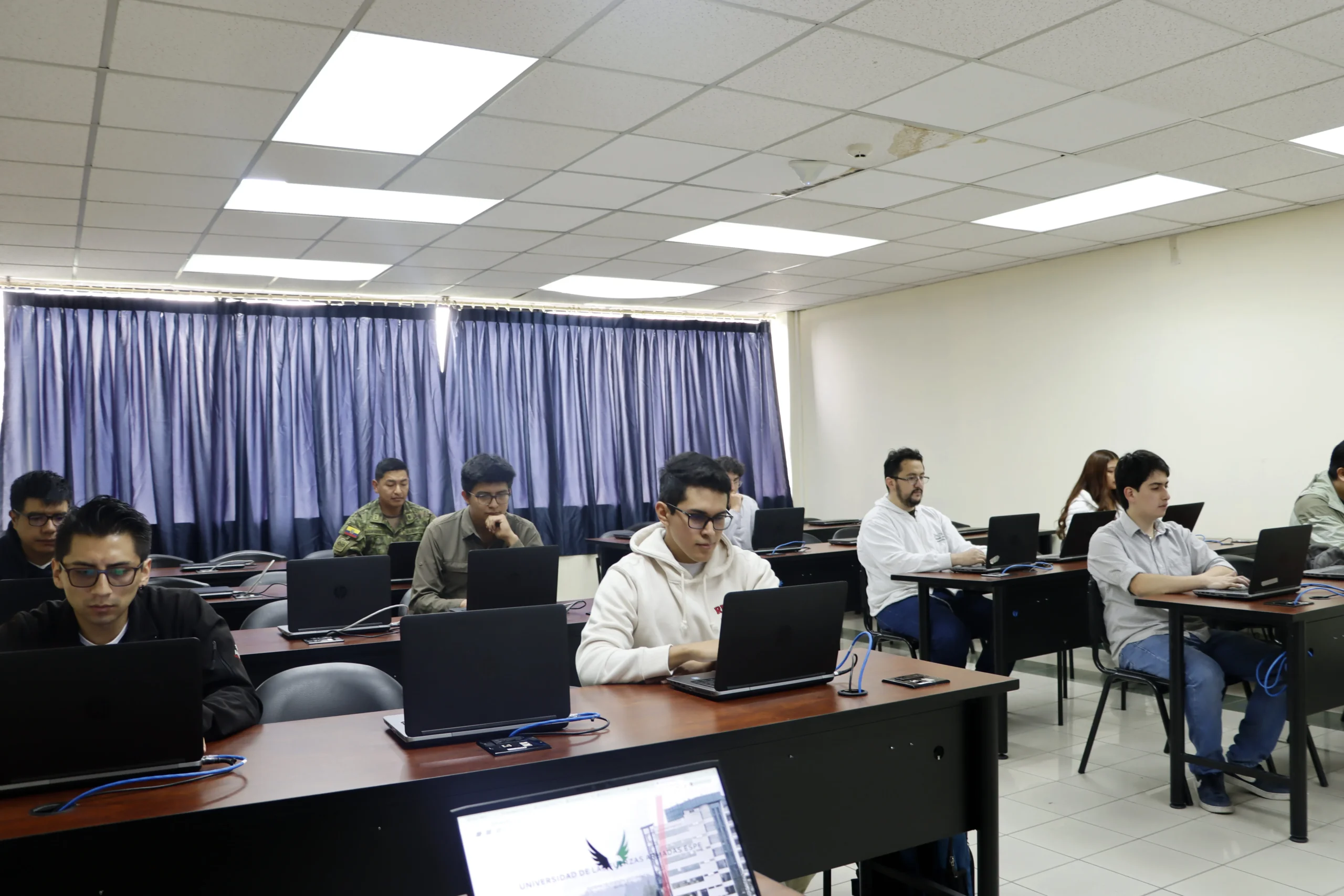
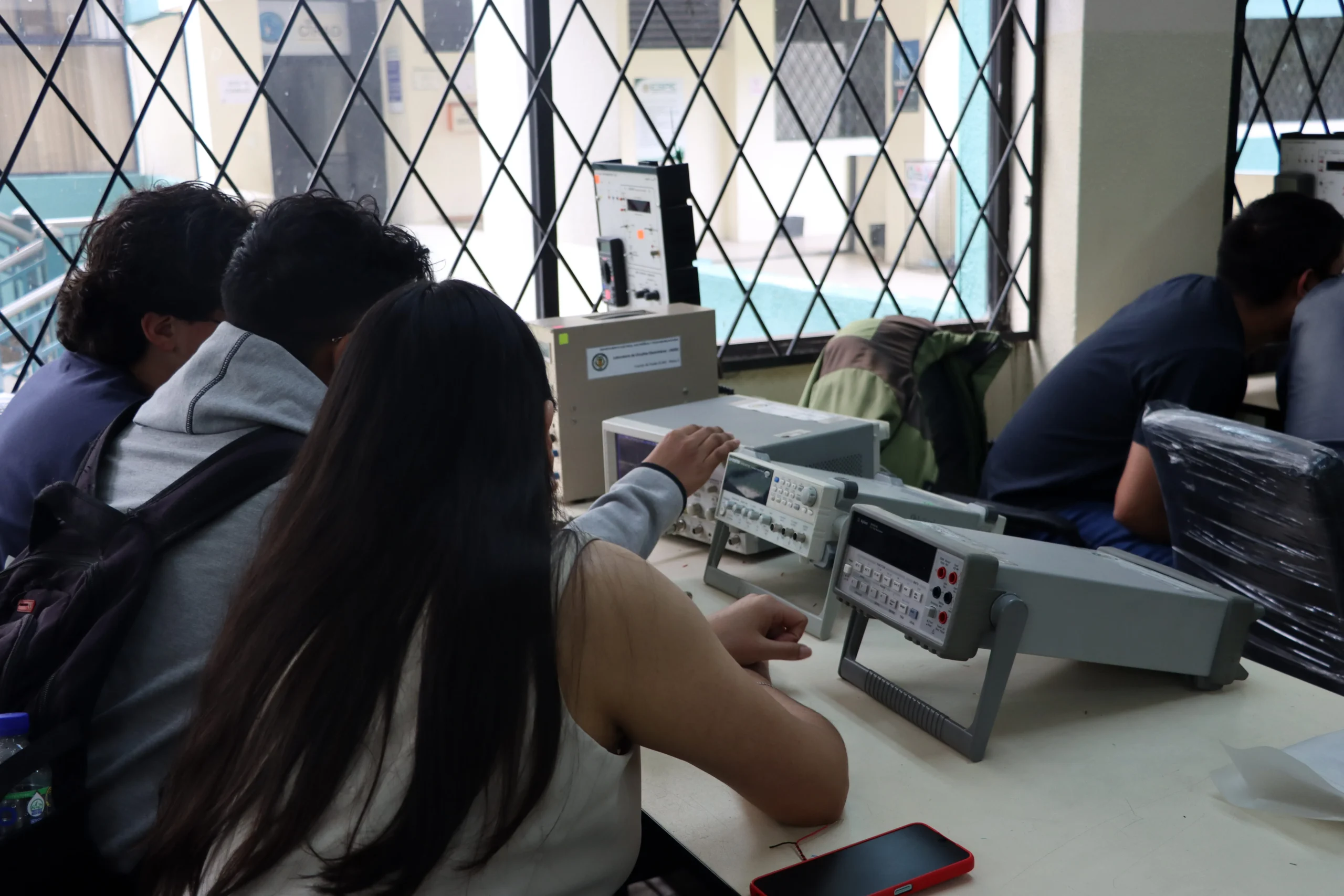
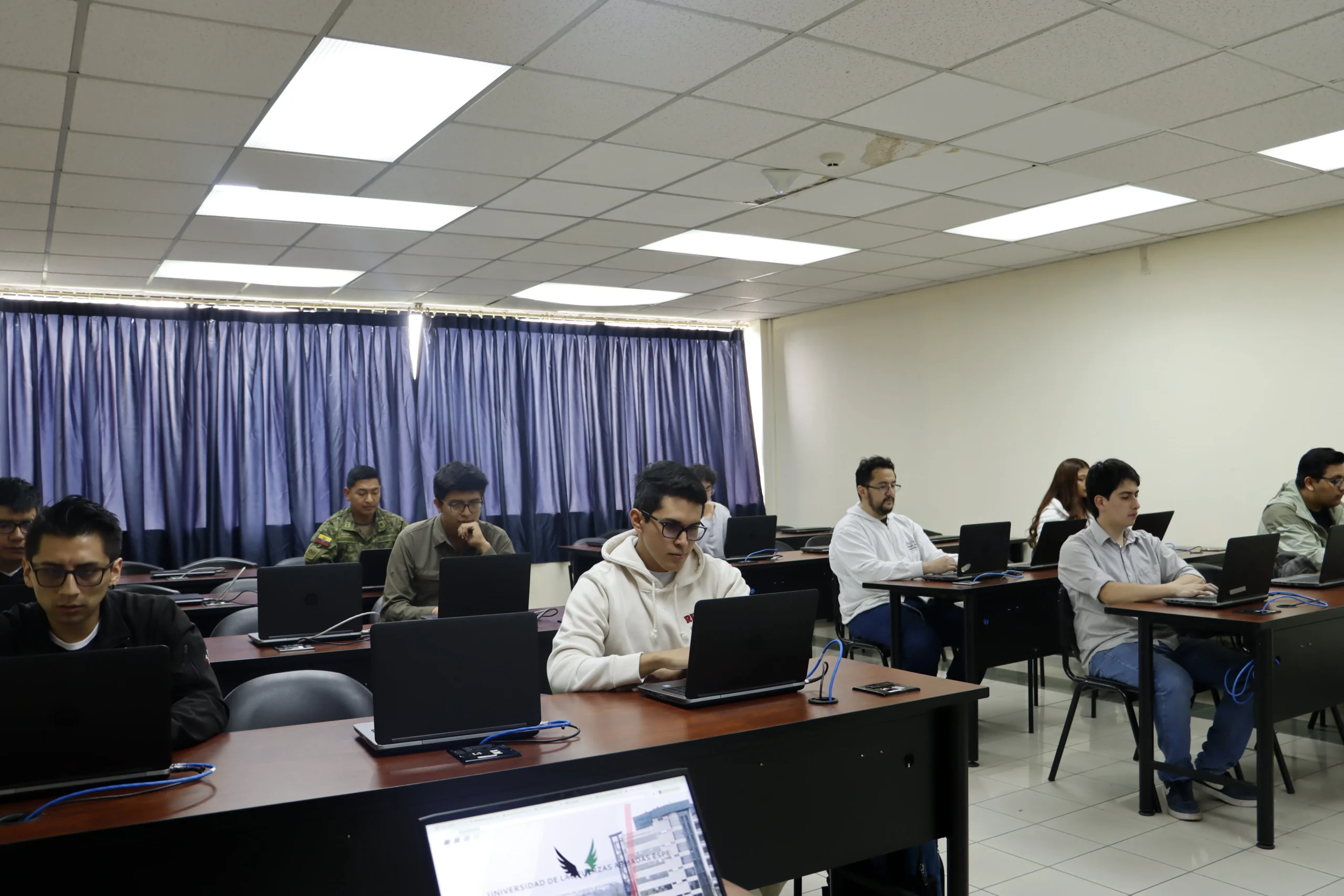
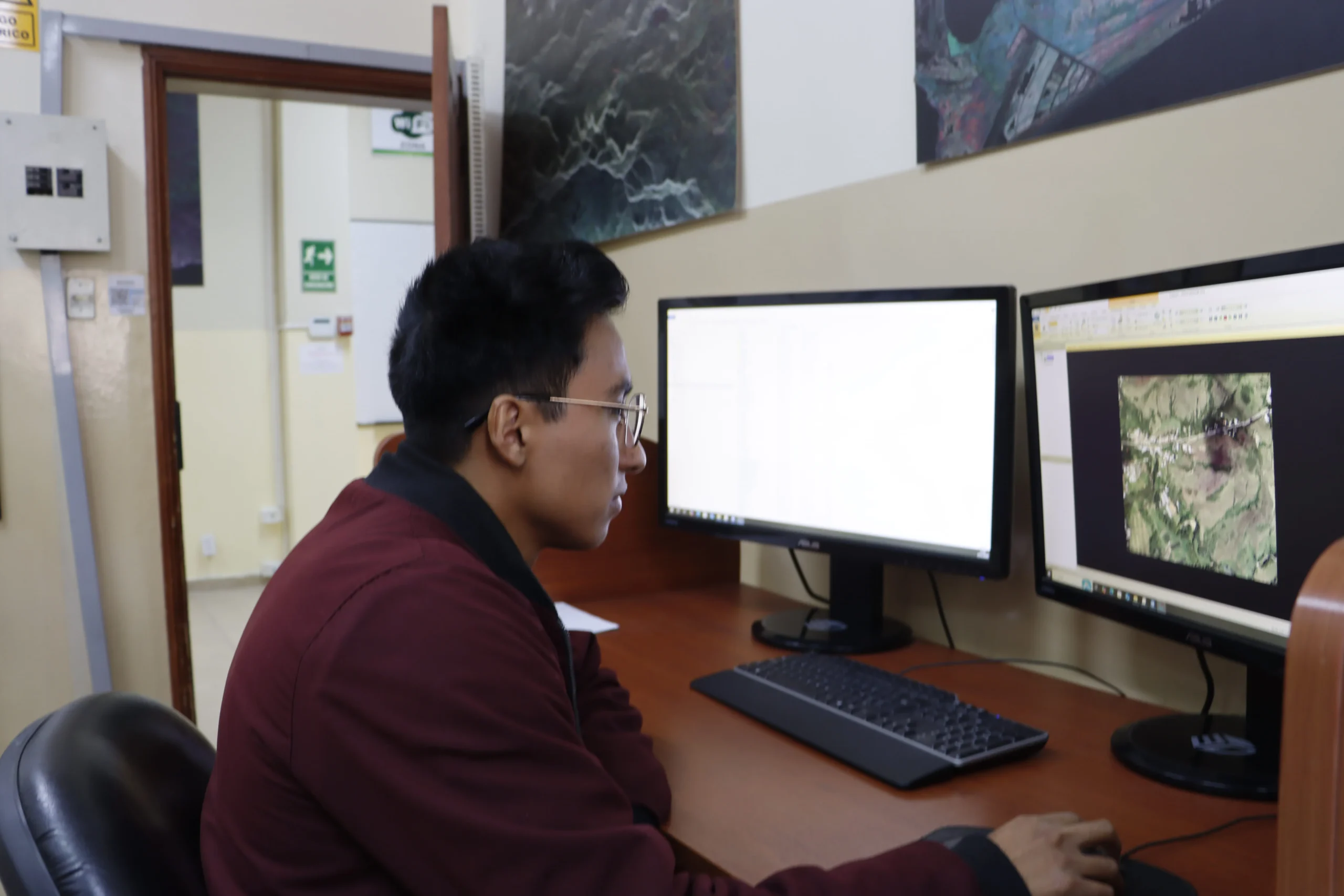
Discover daily life in our classrooms, laboratories, and academic spaces. Students, faculty, and researchers share their stories.
Learn about the foundations of the program
Profiles and outcomes
The professional we train and the competencies you will develop
- Professional Profile
Graduates in Economics from the University of the Armed Forces (ESPE) will be able to fully practice their profession in five specific areas:
● In the public sector as a designer, evaluator or analyst of public policies or investment projects or social projects, through the application of theoretical and practical tools for the analysis of qualitative and quantitative data. As well as in institutions for the generation of statistical information and national accounts.
● In the private sector as a business advisor on economic and market issues, both national and international, investment decision-making and productive structure for the maximization of benefits and cost reduction.
● In the Popular and Solidarity Economy sector as a manager of projects for the development, strengthening and insertion of organizations in this sector based on the principles of solidarity and cooperativism.
● In non-governmental organizations as a consultant for social projects operating in the country under the framework of international cooperation and support for the development of vulnerable sectors in the different regions of the country.
● In the field of research and higher education that promotes the application of new economic trends and practices in issues related to the environment for the sustainable development of the economy; food sovereignty practices and the strengthening of intellectual capital.
- Graduate Profile
It highlights the importance of promoting universal values, such as justice, equity, and social inclusion, to achieve meaningful personal growth. In addition, the need to apply the principles, rights and guarantees of citizenship established in the Constitution of the Republic is emphasized. Dignity, freedom and respect for cultural and ethnic diversity are valued, recognizing their relevance in society. Likewise, emphasis is placed on the importance of acting with social responsibility, considering ethical and economic aspects, and focusing on human well-being.
It highlights the need to understand and adapt to social and political changes affecting economic institutions and organizations. In addition, the importance of having leadership skills to motivate others and achieve work objectives successfully is highlighted. The importance of mastering the theoretical foundations and laws that govern the economic sciences is mentioned, which allows a descriptive understanding of the socioeconomic reality in its structure and functioning. It also highlights the importance of identifying paradigmatic shifts and relevant trends in the environment in order to develop a forward-looking view of the world and the profession.
The ability to interpret and analyze the methodology of Political Economy to propose, design, execute and evaluate economic and social policies is highlighted. The importance of innovation and the ability to adapt to a competitive environment for the development of a country or organization is recognized. In addition, it is emphasized that knowledge and information management are the true sources of wealth in nations and are applied in the companies and organizations of the new economy. Mention is made of effective professional communication, teamwork, the use of computer and mathematical tools, as well as the investigation of the economic reality to propose pertinent solutions to social and economic problems.
In summary, the importance of promoting universal values, adapting to social and political changes, mastering the theoretical and methodological foundations of economics, interpreting and analyzing the methodology of Political Economy, and applying knowledge in the development of economic and social policies is emphasized. It also highlights the need for leadership, effective communication, teamwork, use of computer and mathematical tools, research and analysis of the economic reality to address current economic and social challenges.
- Learning Outcomes
Critically analyze economic situations with intermediate micro and macroeconomic models, considering their assumptions and limitations, and evaluating their usefulness for interpreting market dynamics and economic policy decisions.
Integrate econometric tools, strategic game theory models, accounting structures, and institutional approaches to analyze complex economic phenomena and inform decisions in real contexts.
Analyze relationships between institutions, economic decisions, and market structures, applying advanced quantitative methods to interpret evidence and inform public and private decisions.
Analyze, apply, and evaluate economic policies using econometric tools, macroeconomic models, and development approaches to interpret evidence and support economic policy decisions aimed at growth, equity, and stability.
Evaluate innovative, social, solidarity-based and territorial economic models in global environments, applying critical approaches to propose sustainable solutions aimed at equitable development.
Gallery Gallery
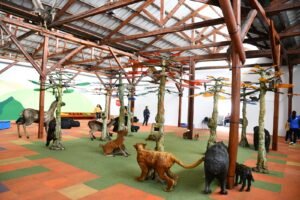
Spaces, moments, and experiences that bring the program to life
Admissions and costs
Spaces, moments, and experiences that bring the program to life

CES Resolution
RPC-SO-15-No 309-2020
Program Code
ISOF-SQ-2023
Accreditation
In process
Application Dates
March – April 2025 / August – September 2025
Program cost:
Article 356 of the Constitution of the Republic establishes, among other principles, that third-level public higher education shall be tuition-free, and that this gratuity is linked to the academic responsibility of students.
Begin your path in
Economy
Join Universidad de las Fuerzas Armadas ESPE and become part of an
academic community of excellence with international reach.