





















DEGREE
Bachelor’s Degree in Accounting and Auditing
CES Resolution
RPC-SO-28-No.549-217
DURATION
4 Years
MODALITY
On-campus
Academic Identity
Learn about the foundations of the program
- Mission
To train professionals and researchers of excellence, creative, humanistic with leadership capacity to solve economic, financial, accounting, administrative and control problems of public and private institutions with professional, ethical, technical criteria and high citizen awareness, who contribute to the regional and national development of the country, in accordance with the national development plan.
- Vision
Leader in knowledge management in the administrative area of Accounting and Auditing in the National System, with academic recognition at the regional and international level and comprehensive training that contribute to the self-sustainable development of the individual in society, through the preparation of qualified human resources.
- Program Objectives
- General objective
To train competent professionals and researchers with knowledge and skills in the Areas of Accounting and Auditing, with critical analysis of accounting phenomena, investigative and innovation skills, using information technologies that allow them to identify and solve problems related to the profession and facilitate the functions of control bodies.
Program video
Live the experience of studying Accounting and Auditing
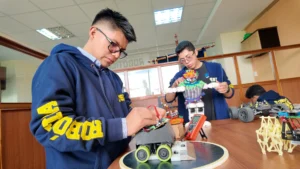
Discover daily life in our classrooms, laboratories, and academic spaces. Students, faculty, and researchers share their stories.
Learn about the foundations of the program
Profiles and outcomes
The professional we train and the competencies you will develop
- Professional Profile
Regulated functions: Accountants, internal and external auditors, as established by the control bodies.
Strategic roles: Financial analysts, executives, managers and consultants in financial areas.
UNESCO Classification: The competencies developed are aligned with the related fields established by this organization.
- Graduate Profile
Preparation of financial statements based on international standards (IFRS), using advanced information technologies.
Knows, understands and handles the research, administrative and accounting fundamentals, under logical thinking and expresses their ideas orally and in writing appropriately using the language of the profession.
Analyze and understand that the areas of accounting management, internal control, risk and auditing function as interactive and iterative processes, directly related to financial processes, observing current laws.
Knows and applies current tax regulations, considering the legal, labor and corporate aspects that affect organizations.
Design and apply specialized cost systems, according to the particular needs of companies, and analyze their results with a financial perspective, contributing to decision-making.
Plans, organizes and manages aspects related to accounting and tax management in order to raise the quality of financial management in companies, focusing on financial, EPS and insurance institutions.
Analyzes and evaluates the reasonableness of accounting, financial and tax information through audit examinations, in different organizations, including those that participate in the stock market.
Analyzes and evaluates the results of ICT management, as well as possible fraud problems that arise in different organizations with a complex context, determines shortcomings caused by financial risks.
Understands and applies the professional principles, codes of ethics, and methodology proposed by the Institute of Internal Auditors so that an auditor can fulfill his or her function.
- Learning Outcomes
1. They know, understand and handle the fundamentals and research, administrative and accounting, under logical thinking and express their ideas orally and in writing appropriately using the language of the profession. In such a way that they are able to prepare basic financial statements, applying the inherent regulations.
2. Analyze and understand that the areas of accounting management, internal control, risk and auditing function as interactive and iterative processes, directly related to financial processes, observing current laws. They understand, visualize, and apply the different stages of management as a process. They use accounting as a tool for decision-making in service companies.
3. Understand the intrinsic relationship between microeconomic and accounting processes in commercial enterprises. They know and apply current tax regulations, considering the legal, labor and corporate aspects that affect organizations. They know and apply marketing tools, using statistical techniques
4. Apply the existing relationships between macroeconomic and accounting processes considering complex companies; understand and analyze basic aspects of financial management; know and apply basic inventory valuation systems; and they understand the need to orient their profession towards the provision of professional services as a personal enterprise. They use statistical techniques for quality management and control in industrial and manufacturing processes.
5. Design and apply specialized cost systems, according to the particular needs of companies, and analyze their results with a financial perspective, contributing to decision-making. Evaluates internal control and quality management systems; Understand and apply the methodology with which risks are detected and mitigated in organizations. They understand and apply ICTs as a support for their profession.
6. Plans, organizes and manages aspects related to accounting and tax management in order to raise the quality of financial management in companies, focusing on financial institutions, EPS and insurance. Understand and apply basic audit techniques, using basic programming tools.
7. Analyzes and evaluates the reasonableness of accounting, financial and tax information through audit examinations, in different organizations, including those that participate in the stock market; prepares and issues audit reports with the respective conclusions and recommendations, observing high standards of quality and productivity; It manages databases as tools to help in its analyses. Ethically leads audit working groups.
8. Analyzes and evaluates the results of ICT management, as well as possible fraud problems that arise in different organizations with a complex context, determines shortcomings caused by financial risks, for which it understands and applies financial simulation models; and, detects opportunities for improvement; makes recommendations in this regard. Understands and applies up-to-date tax rules. Its academic actions are based on applied scientific research. Understands and applies the professional principles, codes of ethics and methodology proposed by the Institute of Internal Auditors so that an auditor can fulfill his or her function, from an internal approach of the different areas of the organization; Understands and evaluates corporate governance, for which it uses a systems management vision. It generates accounting and auditing research projects in the different sectors of the economy
Curriculum Structure
Academic structure of the program
Current Curriculum
Curriculum (not in force)
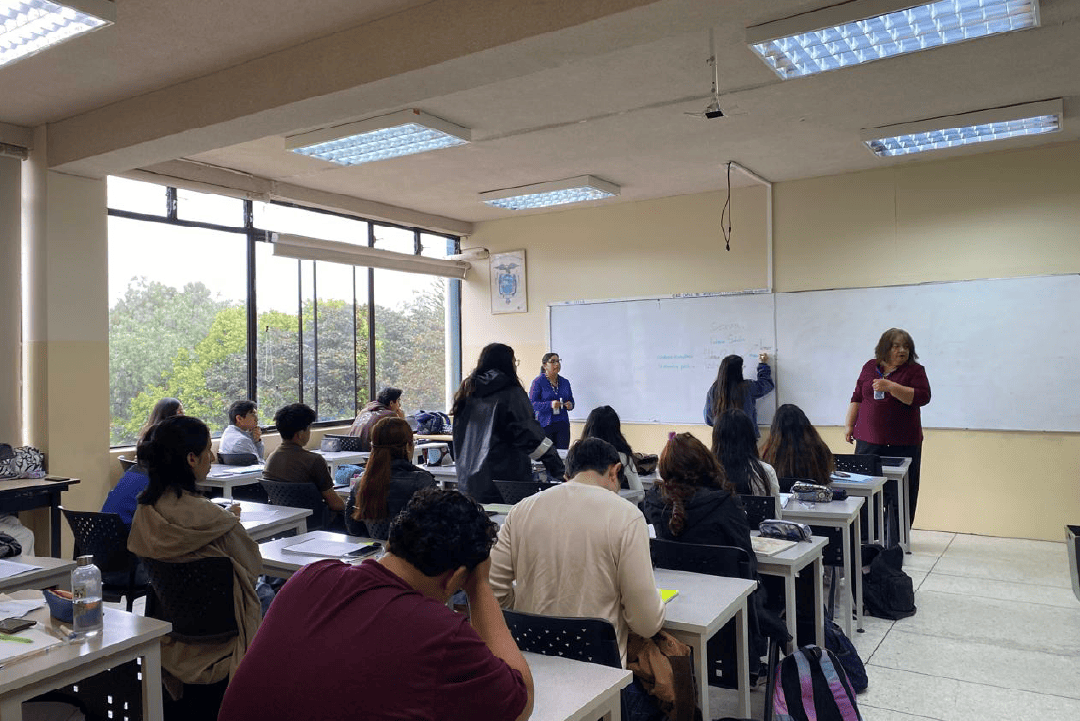
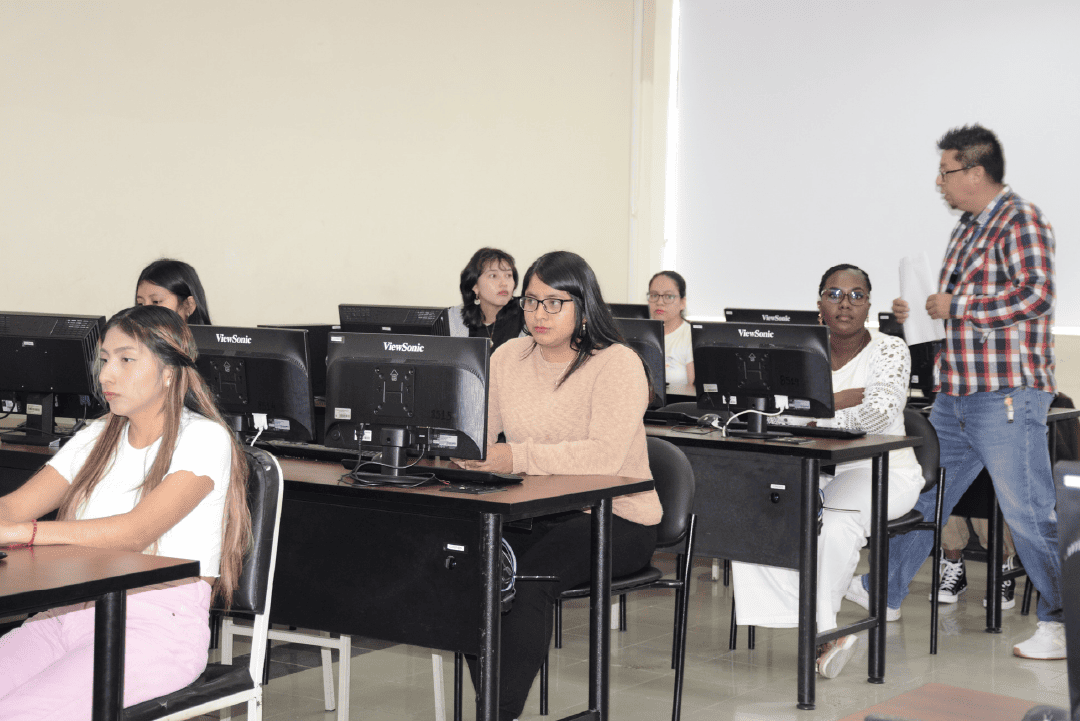
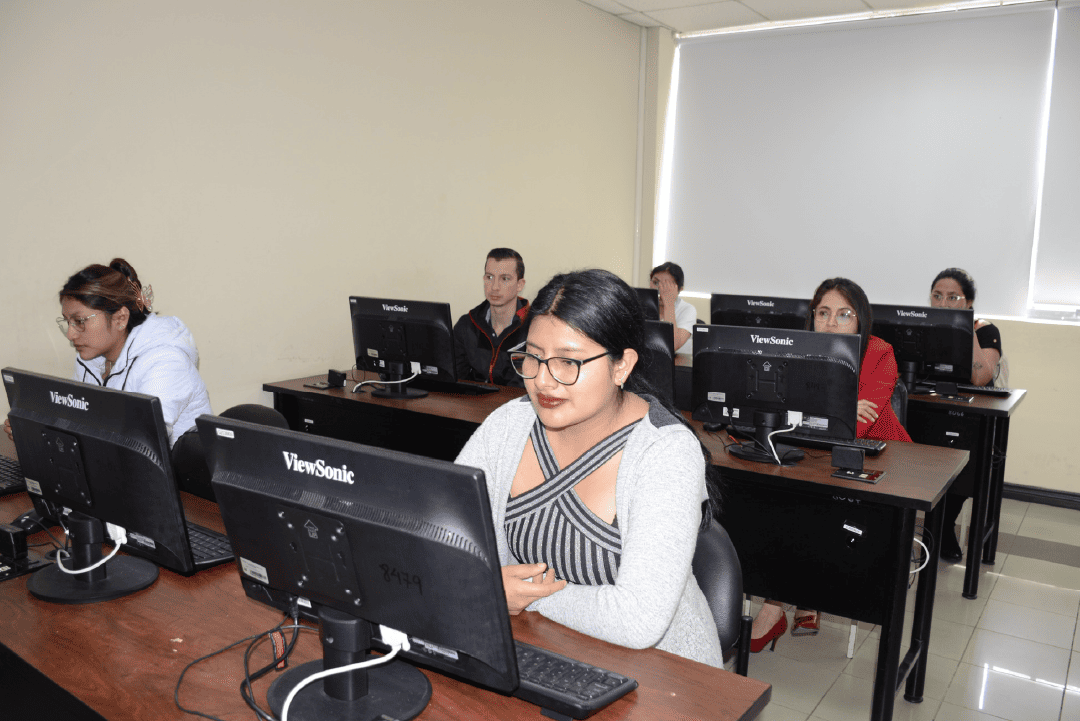
Gallery Gallery
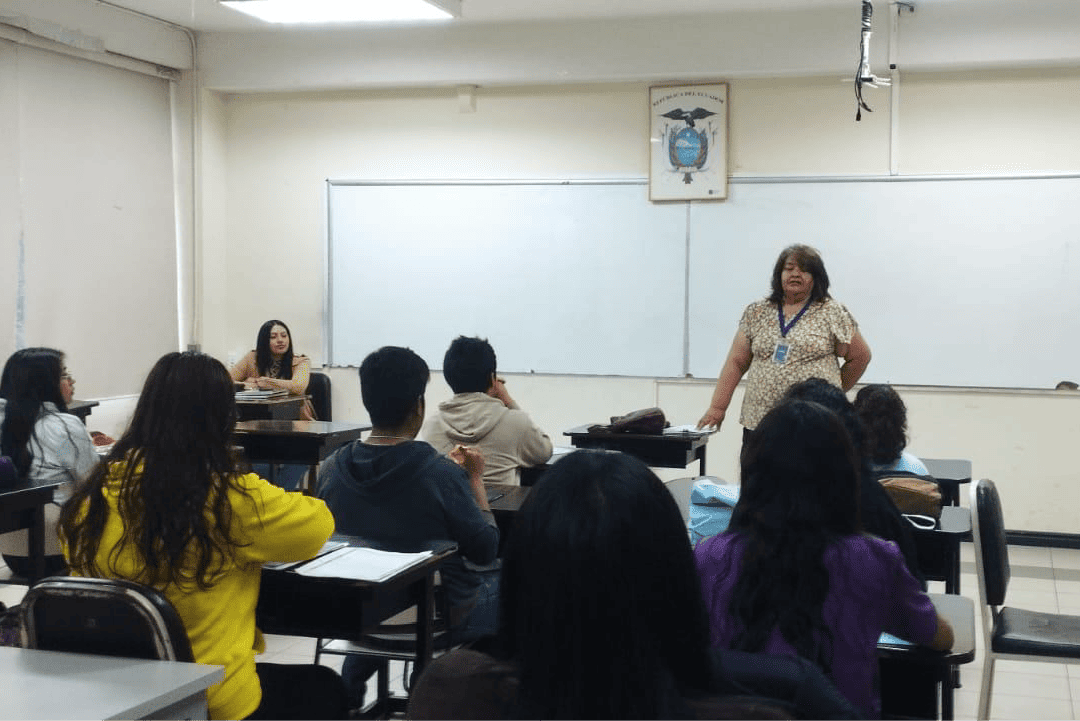
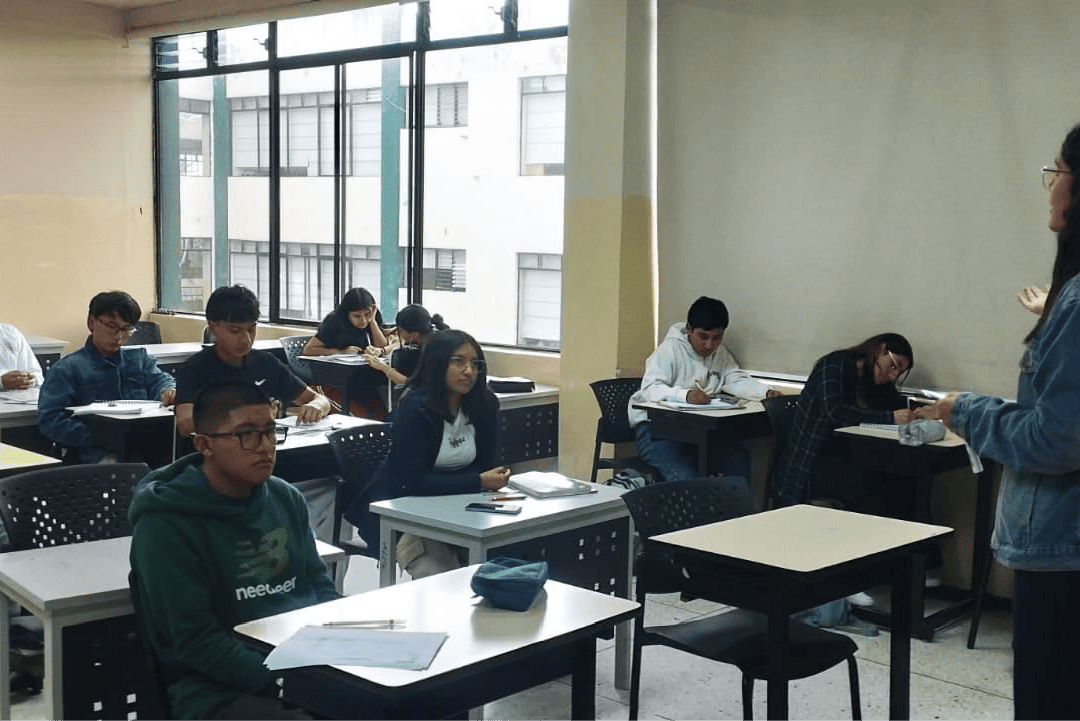
Spaces, moments, and experiences that bring the program to life
Admissions and costs
Spaces, moments, and experiences that bring the program to life
CES Resolution
RPC-SO-15-No 309-2020
Program Code
ISOF-SQ-2023
Accreditation
In process
Application Dates
March – April 2025 / August – September 2025
Program cost:
Article 356 of the Constitution of the Republic establishes, among other principles, that third-level public higher education shall be tuition-free, and that this gratuity is linked to the academic responsibility of students.
Begin your path in
Accounting and Auditing
Join Universidad de las Fuerzas Armadas ESPE and become part of an
academic community of excellence with international reach.
DEGREE
Bachelor’s Degree in Accounting and Auditing
CES Resolution
RPC-SO-28-No.548-2017
DURATION
4.5 years
MODALITY
On-campus
Academic Identity
Learn about the foundations of the program
- Mission
To train professionals and researchers of excellence, creative, humanistic with leadership capacity to solve economic, financial-accounting, administrative and control problems of public and private institutions with professional, ethical, technical criteria and high citizen awareness, which contribute to the regional and national development of the country, in accordance with the national development plan.
- Vision
A benchmark in knowledge management in the areas of accounting, auditing, finance, and taxation with academic recognition at the regional and national level, with comprehensive training, ethics, which contribute to the development of the professional in society, through the preparation of qualified human resources.
- Program Objectives
- General objective
Program video
Live the experience of studying Accounting and Auditing
Discover daily life in our classrooms, laboratories, and academic spaces. Students, faculty, and researchers share their stories.
Learn about the foundations of the program
Profiles and outcomes
The professional we train and the competencies you will develop
- Admission profile
The profile of entry to the Accounting and Auditing career, the applicant must have the following knowledge, skills and basic skills that the applicant must have and that will facilitate the acquisition of disciplinary knowledge and a comprehensive training as citizens:
Knowledge
- Comprehension reading ability.
- Numerical, critical, logical and abstract reasoning skills.
- Mathematics, Statistics, Accounting, Administration, Computer Science.
Abilities
- Ability to identify problems and propose solutions.
- Ability to analyse, synthesise and reflect.
- Organizational Capacity.
Attitudes
- Honesty, discipline, tolerance.
- Interest in numerical, accounting-financial calculation and the humanistic sciences.
- Ability to adapt to working in a team.
- Responsibility for oneself and for one’s actions.
- Investigative attitude.
- Graduate Profile
The Professional or Graduate Profile summarizes the set of Learning Outcomes once the professional’s performance has been determined. It is necessary to make explicit the Learning Outcomes referring to the knowledge, skills and values/attitudes that allow outstanding behavior in a specific field. They describe what is capable of “knowing, knowing how to do, knowing how to be and knowing how to live together” in observable and assessable terms.
The training of the professional in the career of Accounting and Auditing is based on the practice of professional values; Therefore, this professional will strictly practice:
- Code of ethics for accountants.
- Code of ethics for auditors.
- Code of ethics of the different organizations that require their services.
- Learning Outcomes
Analyze and understand that the areas of accounting management, internal control, risk and auditing function as interactive and iterative processes, directly related to financial processes, observing current laws.
Design and apply specialized cost systems, according to the particular needs of companies, and analyze their results with a financial perspective, contributing to decision-making.
Evaluates internal control and quality management systems; Understand and apply the methodology with which risks are detected and mitigated in organizations. They understand and apply ICT as a support for their profession.
Plan, manage, and evaluate accounting and auditing systems and processes effectively and efficiently, relying on information technologies, to improve validity and productivity.
Analyzes and evaluates the reasonableness of accounting, financial, and tax information through audit examinations.
Curriculum Structure
Academic structure of the program
Current Curriculum
Curriculum (not in force)
Gallery Gallery
Spaces, moments, and experiences that bring the program to life
Admissions and costs
Spaces, moments, and experiences that bring the program to life
CES Resolution
RPC-SO-15-No 309-2020
Program Code
ISOF-SQ-2023
Accreditation
In process
Application Dates
March – April 2025 / August – September 2025
Program cost:
Article 356 of the Constitution of the Republic establishes, among other principles, that third-level public higher education shall be tuition-free, and that this gratuity is linked to the academic responsibility of students.
Begin your path in
Accounting and Auditing
Join Universidad de las Fuerzas Armadas ESPE and become part of an
academic community of excellence with international reach.