










DEGREE
Online Tourism
DEGREE
Bachelor’s Degree in Tourism
CES Resolution
RPC-SO-35-No-596-2023
DURATION
4 Years
MODALITY
Online
Academic Identity
Learn about the foundations of the program
- Mission
To educate outstanding professionals capable of effectively managing and addressing the challenges of sustainable tourism development, with awareness of global processes and the resulting intercultural integration, grounded in humanistic, ethical, and moral values committed to society, articulating the public and private sectors to position the country as a destination of excellence.
- Vision
To be leaders at the national and Latin American levels in the comprehensive training of professionals in tourism management, contributing to the new demands of the global environment through research and innovation, within the parameters of ethical sustainability and governance.
- Program Objectives
- General objective
To train tourism professionals with a strong personal and ethical identity, capable of integrating theoretical, methodological, and technological knowledge for the management, research, and innovation of tourism activities, promoting sustainable development, interculturality, and respect for ancestral knowledge, with a critical perspective, leadership, and social commitment in local, national, and international contexts.
Strengthen the implementation of sustainable tourism activities: Develop competencies to plan, organize, and deliver tourism services, ensuring professional practice aligned with current trends.
Optimize the operation of tourism services: Implement management tools that contribute to the effective delivery of tourism services.
Design and innovate contextualized tourism proposals: Develop innovative tourism products and projects, aligned with the territorial context and sociocultural dynamics, that contribute to local development through the participation of sector stakeholders.
Promote ethical, inclusive, and sustainable tourism management: Integrate cultural, social, economic, and environmental diversity into decision-making, developing sustainable tourism projects based on research, critical thinking, leadership, and commitment to the responsible development of the sector.
Program video
Experience studying Tourism
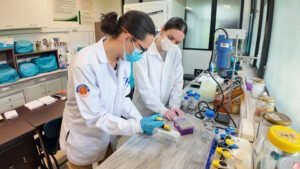
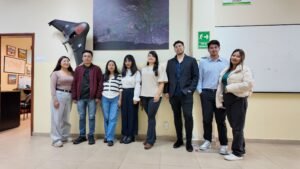
Discover daily life in our classrooms, laboratories, and academic spaces. Students, faculty, and researchers share their stories.
Learn about the foundations of the program
Profiles and outcomes
The professional we train and the competencies you will develop
- Professional Profile
The tourism professional is trained to plan, organize, direct, and evaluate tourism projects and services, promoting the responsible use of natural, cultural, and heritage resources, with the aim of fostering local, regional, and national development. They possess a strong ethical, analytical, and critical foundation, enabling them to design and manage innovative tourism products, as well as administer companies and/or organizations within the tourism sector with criteria of quality, competitiveness, and sustainability.
- Graduate Profile
Based on their capacities, attitudes, and values:
Strengthens their personal and professional identity and cultivates self-esteem; develops critical thinking, deductive reasoning, and the use of analogies, thereby shaping cognitive structures and affective development.
– Applies ethical, spiritual, and humanistic principles, inclusive of diverse worldviews, diversity of abilities, and interculturality
-Respects knowledge within the ancestral and sustainable tourism context of different regions.
– Critically embraces historical changes and fosters openness to the new, the creative, and the diverse.
– Complies with the regulations established within the national and international legal framework governing tourism activities.
Operates within multidisciplinary teams with assertive communication, engaged in negotiation and conflict management to resolve problems in the tourism field.
– Manages tourism activities with ethics, leadership, responsibility, and quality.
Based on the theories, conceptual systems, methods, and languages for the integration of knowledge, the profession, and research:
-Organizes and integrates knowledge, identifying updated and specialized concepts and theories within their field of training. Possesses a general culture pertinent to their profession, including the use of ICTs and the application of information-gathering techniques for research.
-Develops, analyzes, and evaluates the quality of resources, services, ecosystems, and their components through applied research processes in tourism activities.
-Possesses knowledge of the social, cultural, economic, and political aspects of the community, enabling the management of innovative public–private projects for destination development.
– Applies principles of sustainability in sensitive natural areas through environmental interpretation and education; recognizes, respects, and values ancestral knowledge and the country’s heritage richness, and acknowledges their own identity.
– Understands the components of the tourism system through observation and characterizes tourism systems using techniques in tourism operations, management, entrepreneurship, and research, in compliance with sustainability standards.
-Identifies opportunities and shortcomings in tourism activity through characterization and diagnosis using technological tools, while respecting sustainability standards.
– Demonstrates skills and capacities for information management, research, and intervention in processes of tourism operations, management, and research.
– Integrates ancestral knowledge, interculturality, and gender equity of peoples in relation to different technological applications.
-Uses logical, critical, and creative thinking for the understanding, explanation, integration, and communication of knowledge within tourism.
-Undertakes entrepreneurship and innovation across diverse scenarios of tourism activity.
– Communicates, through a thesis, ethnography, or comprehensive examination, the design, development, and evaluation of a tourism management process or the creation of tourism products within the framework of sustainability.
– Systematically applies national and/or international policies, enabling them to manage global tourism trends.
In relation to the management of professional and research models, protocols, processes, and procedures:
Resolves problems arising within tourism operations through knowledge of the tourism potential of areas of influence; implements administrative and operational processes to ensure quality in the tourism system.
– Contributes to the development of new sustainable public policies with ethics and commitment, for the implementation of strategic tourism events and projects that support the positioning of the country’s tourist destinations.
- Learning Outcomes
1. Execute tourism activities considering criteria of quality, safety, and sustainability, in a planned, systematic, and reflective manner
2. Implement techniques and procedures for the operation of tourism services, ensuring efficiency, effectiveness, and regulatory compliance in their delivery.
3. Design innovative tourism proposals aligned with the territorial context that contribute to local development and can be implemented with tourism stakeholders.
4. Value economic, cultural, social, and environmental diversity in the tourism context, integrating ethical principles and sector knowledge for inclusive and responsible decision-making.
5. Develop sustainable tourism projects that respond to the real needs of the environment, integrating knowledge of planning, management, innovation, and sustainability; applying research and critical thinking to propose creative and viable solutions, with leadership, professional ethics, and commitment to the responsible development of tourism.
Curriculum Structure
Academic structure of the program
Current Curriculum
Non-Current Curriculum
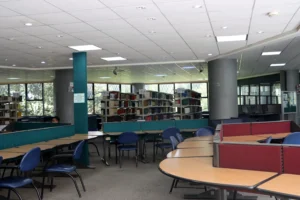
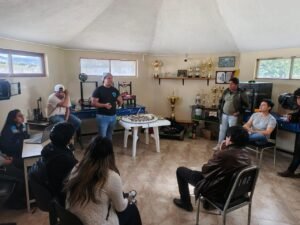
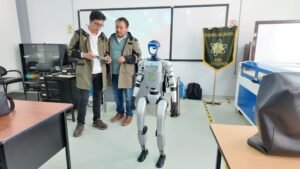
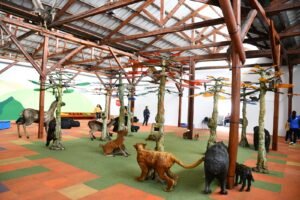
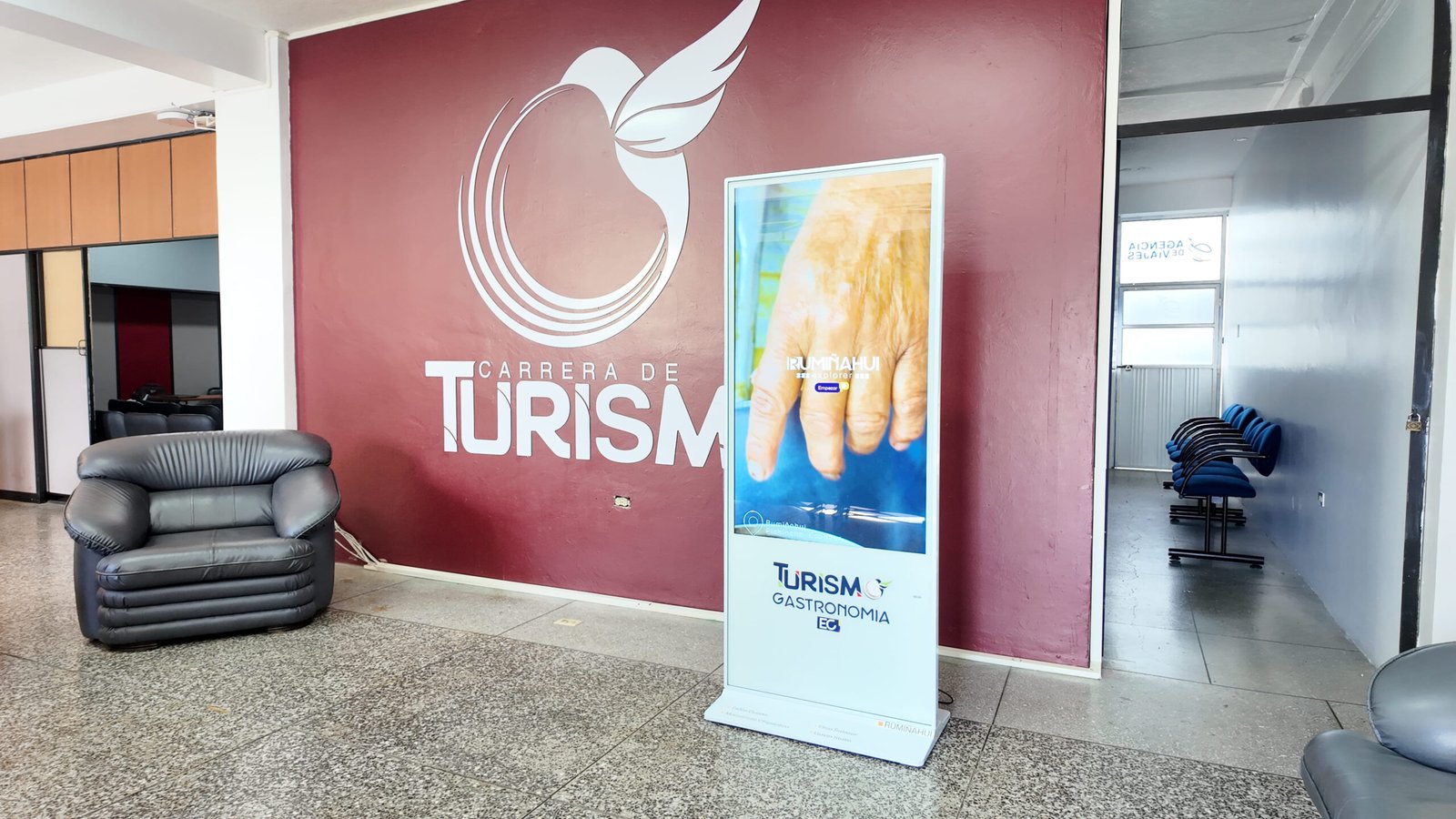
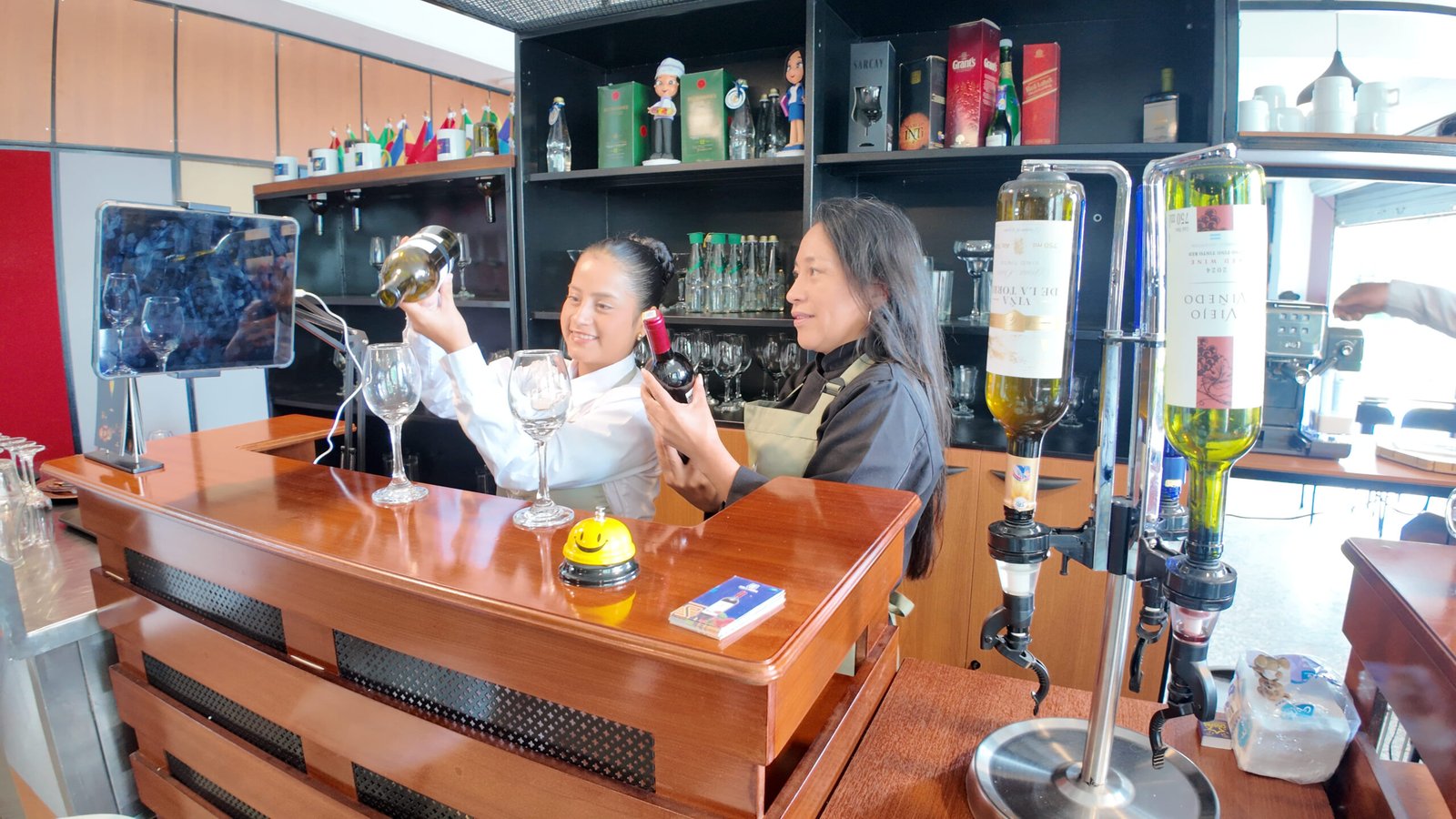
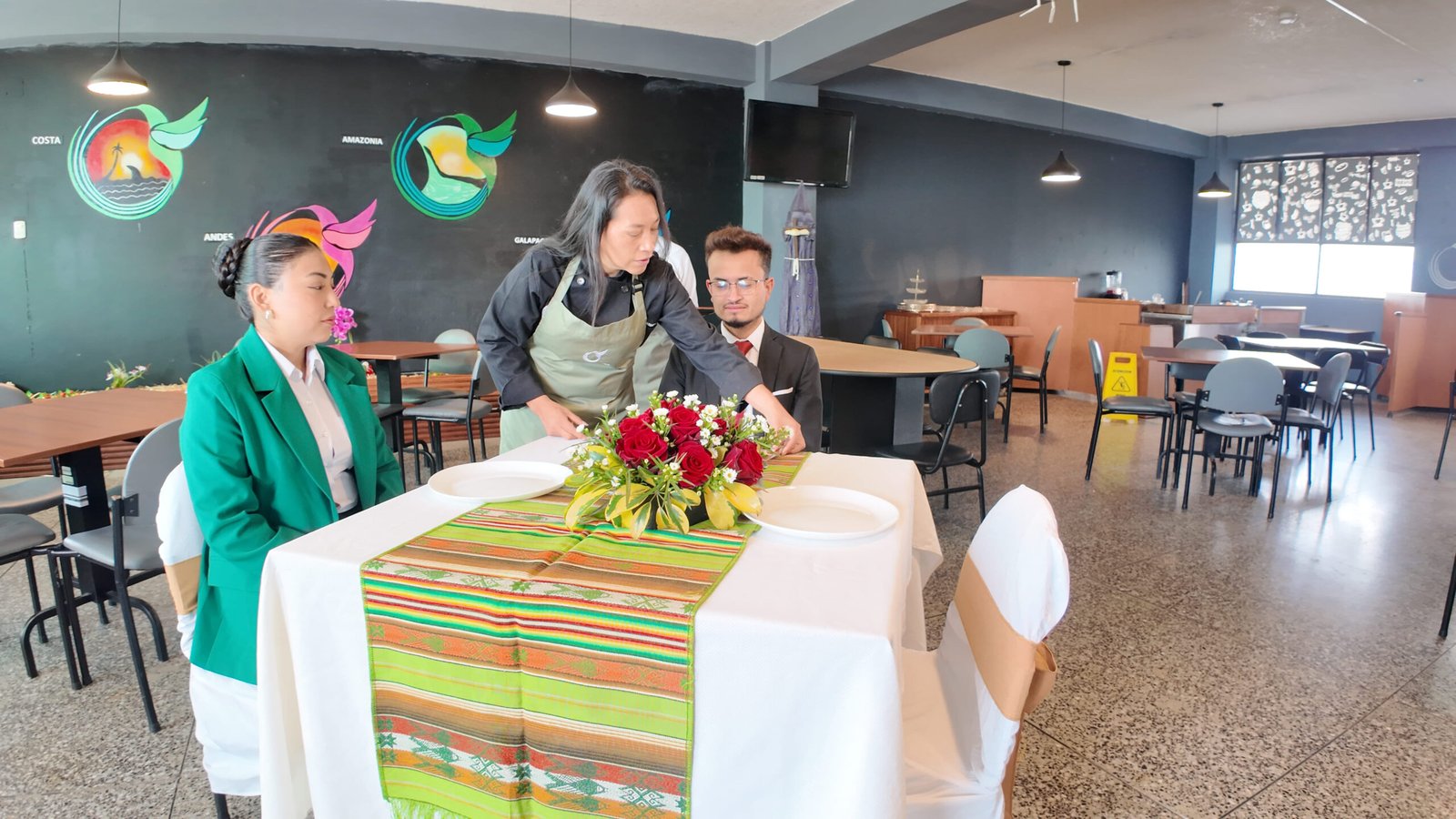
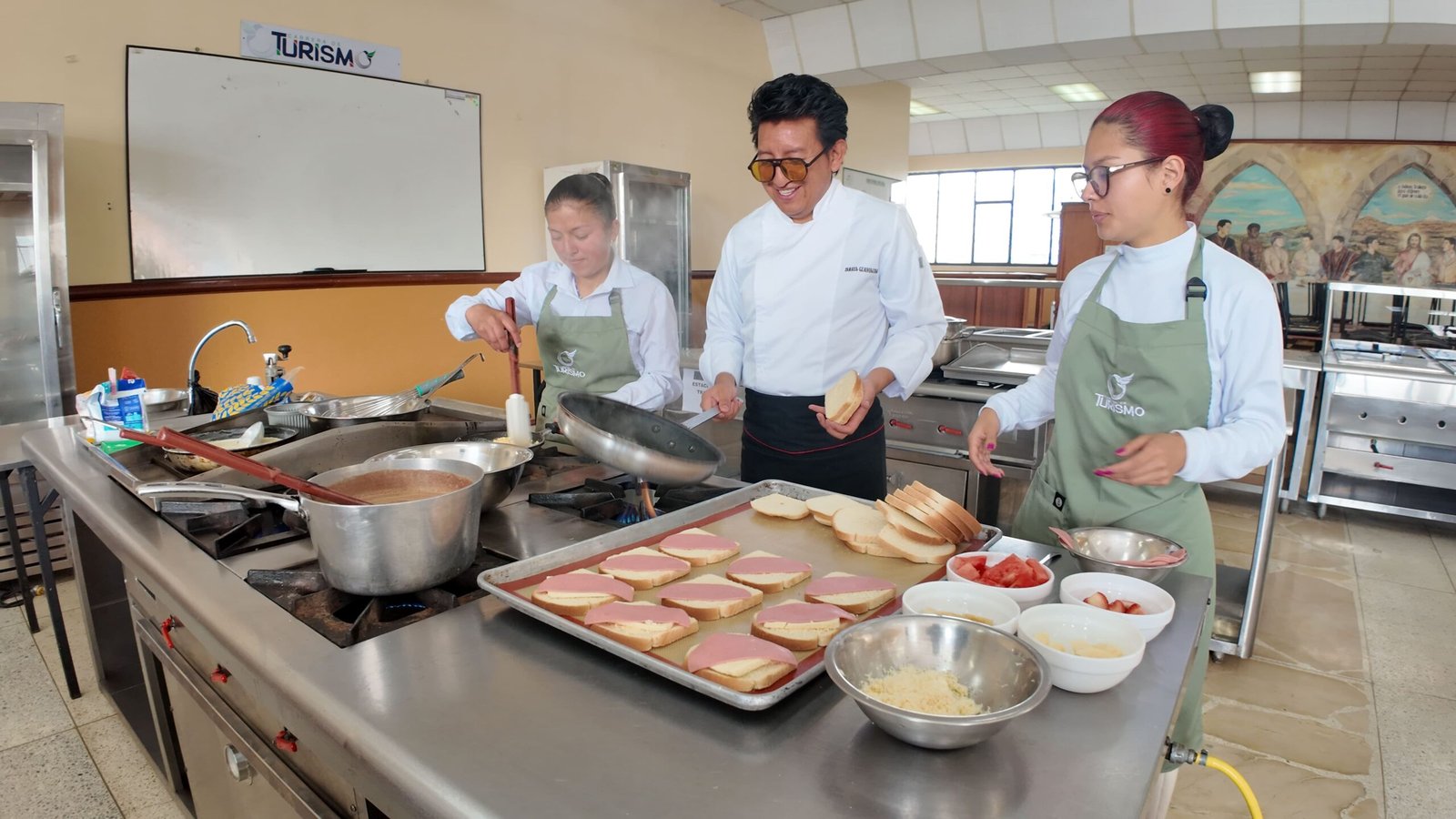
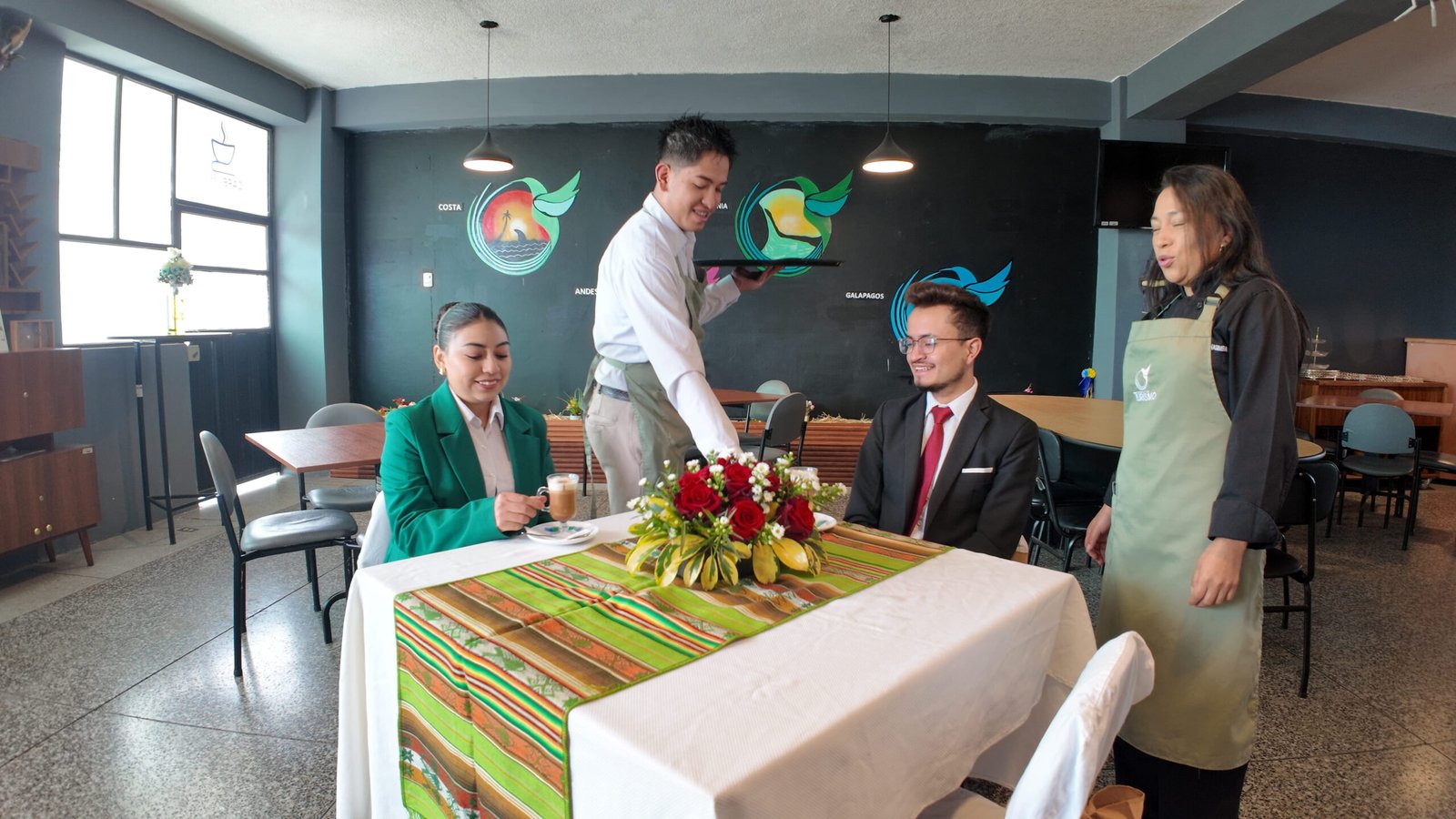
Gallery Gallery
Spaces, moments, and experiences that bring the program to life
Admissions and costs
Spaces, moments, and experiences that bring the program to life
CES Resolution
RPC-SO-15-No 309-2020
Program Code
ISOF-SQ-2023
Accreditation
In process
Application Dates
March – April 2025 / August – September 2025
Program cost:
Article 356 of the Constitution of the Republic establishes, among other principles, that third-level public higher education shall be tuition-free, and that this gratuity is linked to the academic responsibility of students.
Begin your path in
Turism
Join Universidad de las Fuerzas Armadas ESPE and become part of an
academic community of excellence with international reach.